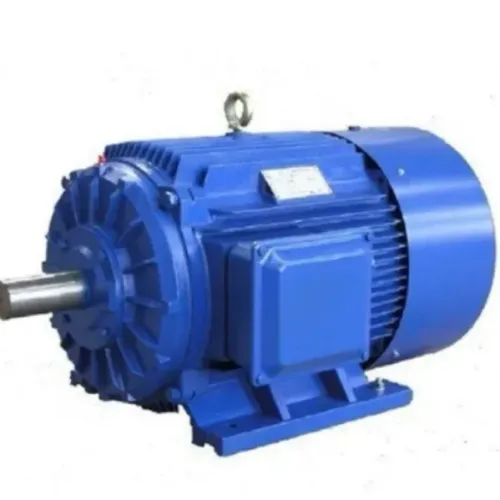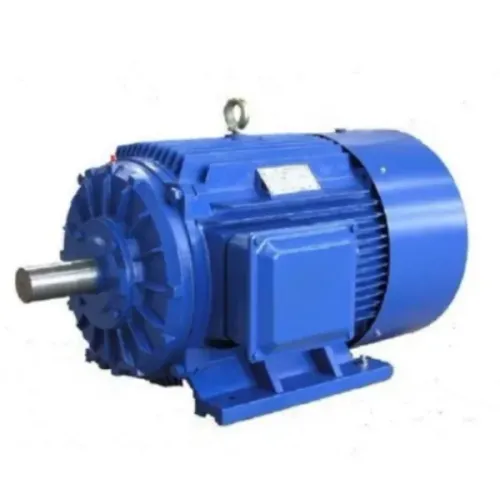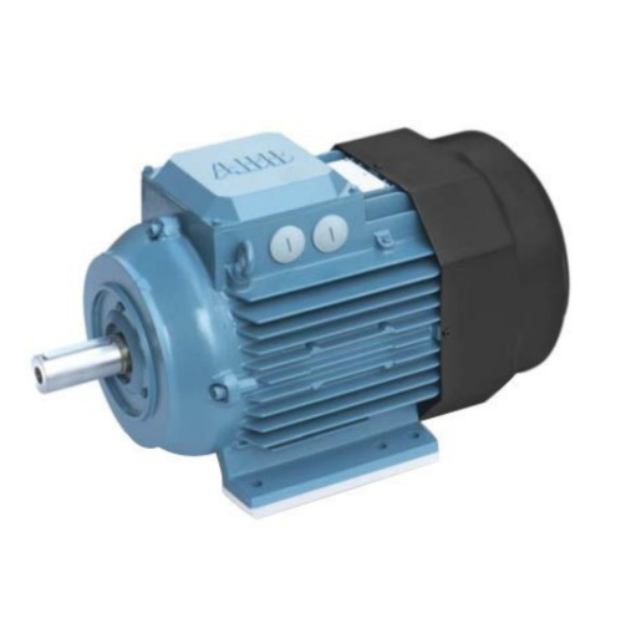
When an industrial motor fails, maintenance teams frequently face a time-sensitive decision — repair the existing equipment or procure a replacement. For facilities using ABB motors, professional ABB Motor Repair may be worth evaluating before automatically replacing the asset.
The right decision depends on technical condition, production requirements, repair feasibility, and lifecycle considerations.
Begin With the Nature of the Failure
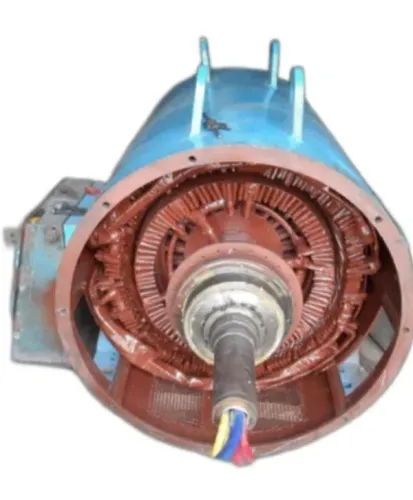
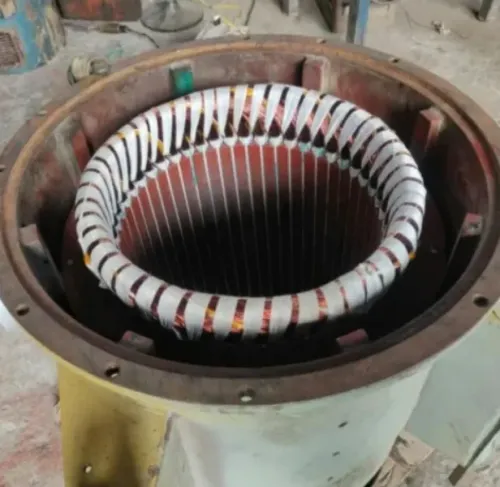
A motor may stop because of bearing failure, winding deterioration, insulation damage, terminal problems, mechanical wear, cooling issues, contamination, or external operating conditions.
The severity of these faults can vary considerably.
A detailed inspection helps establish whether the motor has a repairable fault or whether extensive deterioration makes replacement more practical.
Consider Replacement Availability
A replacement motor that is readily available and dimensionally compatible can simplify the decision.
However, industrial facilities may operate motors with specific mounting arrangements, shaft dimensions, electrical characteristics, frame requirements, and application configurations.
If obtaining a suitable replacement involves a lengthy lead time, a technically sound repair may offer an alternative route to restoring the equipment.
Review the Mechanical Condition
Winding condition should not be assessed in isolation.
Bearings, shaft, rotor, housing, cooling components, terminal box, and other mechanical areas should be checked where applicable.
A motor with repairable winding damage and sound major components presents a different situation from equipment with extensive electrical and mechanical deterioration.
Calculate the Real Downtime Impact
The equipment purchase price is only one part of a maintenance decision.
A production-critical motor can affect:
- Lost production hours
- Labour utilisation
- Delivery schedules
- Downstream equipment
- Process continuity
- Temporary equipment arrangements
Plant managers should therefore consider repair turnaround and replacement lead time alongside direct expenditure.
Investigate Why the Failure Happened
Repairing the motor without addressing the cause can create repeated problems.
If the motor has been subjected to overload, poor cooling, contamination, voltage abnormalities, excessive vibration, or incorrect application conditions, those factors should be investigated.
Failure analysis is particularly important when the same equipment has required repeated repairs.
Evaluate Repair Capability
ABB motor repair should involve suitable diagnostic checks and a clear repair scope based on the condition found.
Gelstar Engineering Services supports industrial motor repair and rewinding requirements for customers in Mumbai and Maharashtra, including facilities operating branded industrial motor systems.
Maintenance managers should discuss the motor's application, rating, operating history, previous repairs, and failure symptoms before approving substantial work.
Make the Decision From Evidence
There is no universal rule that repair is always better than replacement. Similarly, replacement is not automatically necessary whenever a motor fails.
The strongest decision comes from comparing motor condition, repairability, replacement availability, equipment criticality, downtime, compatibility, and expected future use.
For Mumbai manufacturing facilities where motors support essential processes, establishing this evaluation process before a major breakdown can make maintenance decisions considerably faster when equipment eventually requires attention.