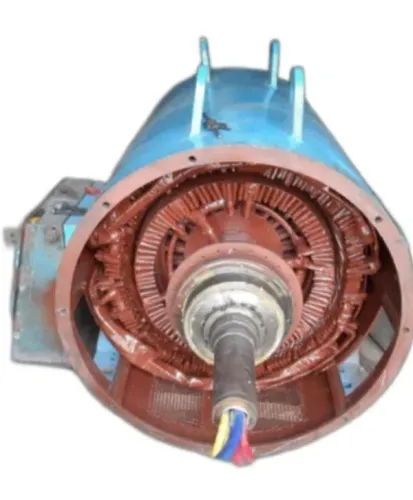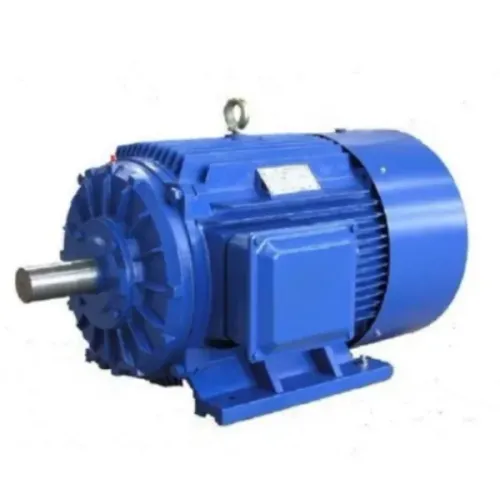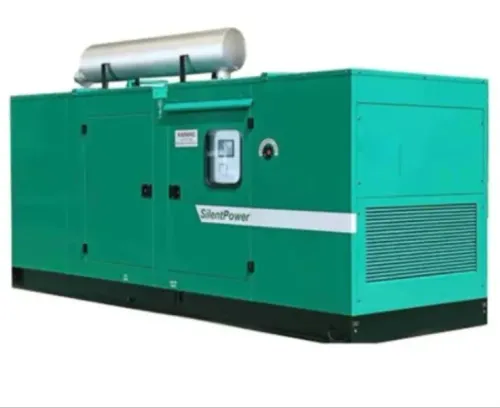
Alternators are essential to dependable backup and captive power systems. In factories, commercial facilities, hospitals, warehouses, processing units, and other industrial operations, an alternator converts mechanical energy from a diesel engine or other prime mover into electrical power.
When alternator windings deteriorate, power output may become unstable or the unit may stop generating altogether. Understanding when Alternator Rewinding Services are appropriate can help maintenance teams in Mumbai, Maharashtra, make better repair decisions and reduce avoidable equipment downtime.
Why Alternator Windings Deteriorate
Alternator windings are designed for demanding operating conditions, but they are not immune to deterioration. Heat, contamination, vibration, electrical faults, and ageing can gradually weaken insulation.
Common contributing factors include
- Continuous operation at high temperatures
- Overloading
- Moisture entering the alternator
- Oil, dust, or chemical contamination
- Insulation deterioration
- Loose electrical connections
- Short circuits
- Poor ventilation
- Extended operation without preventive maintenance
Mumbai's humid environment can make moisture protection and insulation condition particularly important for industrial electrical equipment.
Signs That an Alternator May Need Rewinding
An alternator should not automatically be rewound whenever it develops a problem. Proper testing should identify whether the fault actually involves the winding.
Warning signs can include irregular voltage output, overheating, unusual burning smells, repeated electrical tripping, insulation resistance deterioration, visible winding damage, and failure to generate the expected output.
Maintenance engineers should investigate these symptoms early. Continuing to operate equipment with damaged insulation can increase the extent of the failure.
What Happens During Alternator Rewinding?
Professional rewinding involves considerably more than removing old copper wire and installing new winding material.
The process generally starts with inspection and electrical testing. Technicians assess the stator, rotor, winding condition, insulation system, bearings, terminals, and associated components.
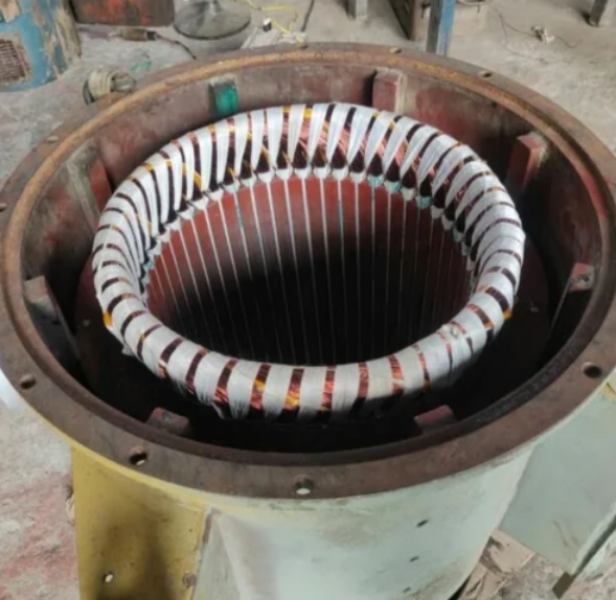
When rewinding is justified, the damaged winding is carefully removed. Relevant winding information must be documented so that the replacement winding maintains the required electrical characteristics.
The core is then inspected before new winding material and insulation are installed. Depending on the alternator design, the process may include varnishing, curing, connection work, balancing checks, and electrical testing.
Rewinding Compared With Replacing the Alternator
Replacement is not always the first or most economical answer.
Rewinding may make practical sense when
- The mechanical structure remains serviceable
- The core is in acceptable condition
- Replacement equipment has a long delivery time
- The existing alternator is suited to the DG set
- Repair costs are reasonable compared with replacement
- The fault is concentrated in the winding system
Replacement may be preferable when extensive mechanical and electrical deterioration exists or when suitable replacement equipment offers substantially better long-term value.
The decision should therefore follow inspection rather than assumptions.
Information to Provide to the Repair Team
Before sending an alternator for assessment, record as much equipment information as possible.
Useful details include
- Manufacturer and model
- kVA rating
- Voltage
- Frequency
- Speed
- Number of phases
- Operating hours
- Nature of the failure
- Previous repair history
- DG set application
Photographs of the nameplate can also reduce errors when communicating technical specifications.
Why Testing After Rewinding Matters
Completion of the winding work is not the end of the repair process. Electrical testing helps verify insulation condition, winding integrity, resistance characteristics, and general readiness for service.
The exact testing requirements depend on the alternator type, rating, and repair scope.
For Mumbai industries where backup power interruptions can affect production or facility operations, documentation of repair findings and post-repair tests can also improve maintenance records.
Build Alternator Condition Into Preventive Maintenance
Unexpected alternator failures are difficult to eliminate completely, but routine inspections can identify many developing problems earlier.
Keep cooling passages clean, inspect electrical connections, investigate abnormal temperatures, control moisture exposure, and monitor unusual vibration or noise.
Gelstar Engineering Services provides industrial alternator repair and rewinding support in Mumbai. For maintenance teams, the most useful starting point is a technical assessment that determines whether rewinding, component repair, or another corrective action is appropriate.