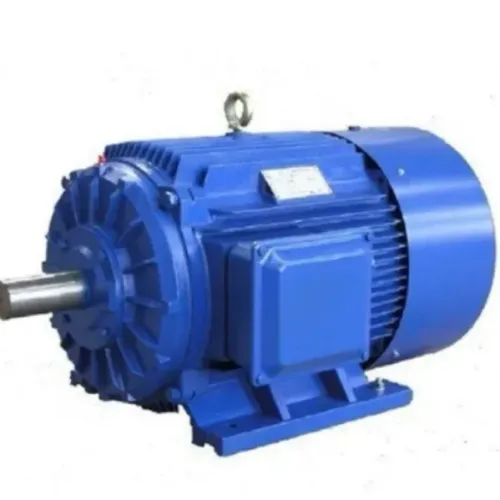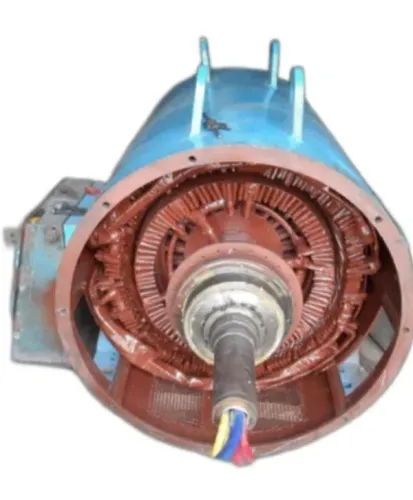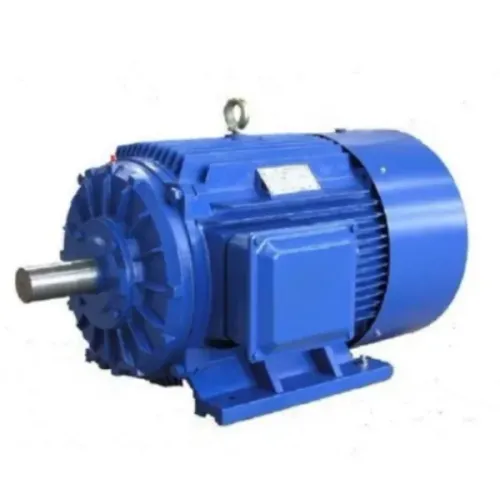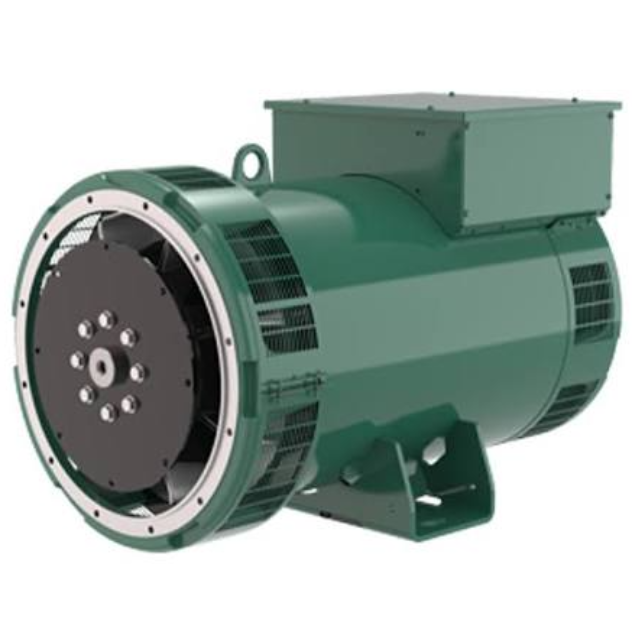
A Leroy somer alternator is commonly used in generator systems where dependable electrical output is essential for industrial operations. In factories, commercial facilities, process plants, hospitals, infrastructure sites, and other power-dependent environments, alternator performance directly affects the reliability of backup or captive power systems.
For businesses in Mumbai and industrial areas across Maharashtra, understanding basic alternator maintenance can help maintenance teams identify developing problems before they result in an unexpected generator shutdown.
What Does an Alternator Do in a DG Set?
The alternator converts mechanical energy supplied by the engine into electrical energy. Although the engine may be operating correctly, the generator cannot provide usable electrical power if the alternator develops an electrical or mechanical fault.
Important alternator components include:
- Stator windings
- Rotor assembly
- Excitation system
- Bearings
- Automatic voltage regulator
- Terminal connections
- Cooling components
- Insulation system
Problems affecting any of these components can influence voltage stability, output capacity, temperature, or overall generator performance.
Warning Signs That Need Attention
Alternator problems do not always begin with complete failure. Maintenance engineers should investigate changes such as unstable voltage, unusual noise, excessive heating, burning smells, repeated electrical trips, abnormal vibration, or reduced output.
A generator that runs but fails to produce the expected voltage also requires systematic testing.
Voltage fluctuations should not automatically be attributed to the AVR. Connections, windings, excitation components, load conditions, and insulation condition may also need inspection.
Why Winding Condition Matters
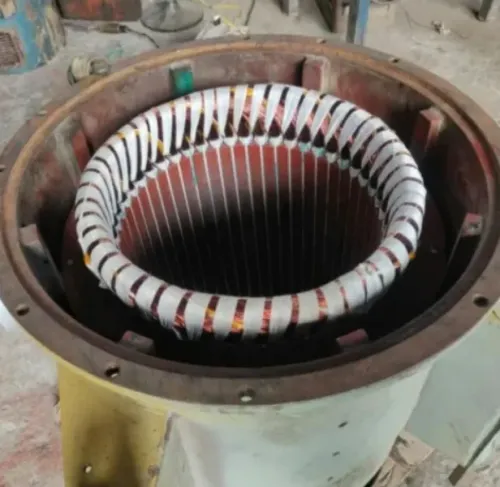
Alternator windings operate under electrical and thermal stress. Heat, moisture, dust, contamination, vibration, and ageing can gradually affect insulation.
Insulation deterioration can increase the possibility of winding faults or short circuits. Regular testing therefore provides useful information about electrical condition before a severe failure develops.
Where winding damage is confirmed, technicians may need to determine whether localized repair is practical or whether complete rewinding is appropriate.
Keep the Cooling System Clean
Industrial environments can expose generator equipment to dust, oil particles, moisture, and other contaminants. Restricted airflow can increase operating temperature, placing additional stress on insulation and bearings.
Maintenance teams should therefore keep ventilation passages clean and check that cooling arrangements remain unobstructed.
Cleaning procedures must be appropriate for electrical equipment because careless cleaning can introduce moisture or damage insulation.
Pay Attention to Bearings
Bearings support rotating components and can significantly influence alternator reliability.
Increasing vibration, abnormal mechanical sound, excessive temperature, or noticeable bearing play may indicate deterioration. Continuing operation without investigation can potentially cause additional damage to rotating components.
Bearing condition should therefore be assessed during planned generator maintenance rather than only after noticeable failure.
Record Operating Changes
Maintenance records are particularly valuable for facilities operating multiple DG sets.
Useful information includes:
- Running hours
- Voltage readings
- Current readings
- Load conditions
- Maintenance dates
- Insulation test results
- Bearing replacement history
- Previous winding work
- Repeated fault observations
A single reading may not reveal much, but changes over time can help engineers identify developing problems.
Repair Decisions Should Follow Proper Testing
When an alternator fails, immediately deciding to rewind it may not be the best approach. The actual fault should first be established through suitable inspection and testing.
A problem may involve the AVR, excitation system, terminals, bearings, connections, windings, or another component. Accurate diagnosis helps avoid unnecessary work and allows maintenance teams to address the actual cause.
Gelstar Engineering Services supports industrial electrical equipment servicing requirements in Mumbai, including alternator inspection, repair, and rewinding work where appropriate.
For industrial users across Mumbai and Maharashtra, preventive attention to alternator condition can reduce uncertainty around emergency power availability. A structured maintenance approach based on inspection, testing, cleaning, operating records, and timely repair gives maintenance teams better visibility into equipment condition and helps them plan corrective work before a developing defect becomes a major operational problem.