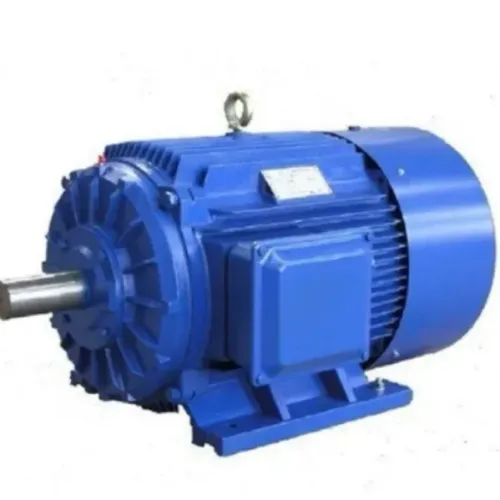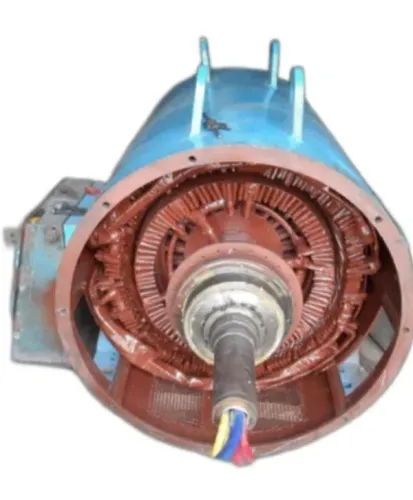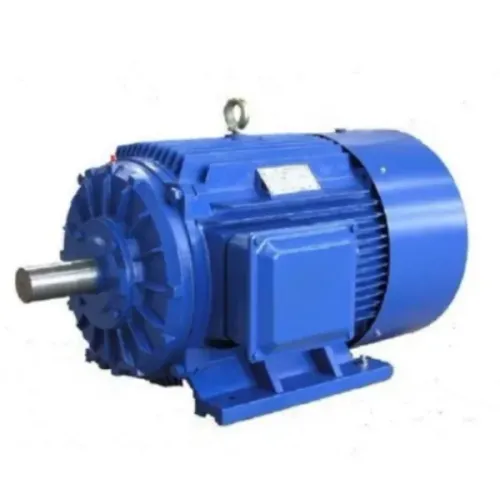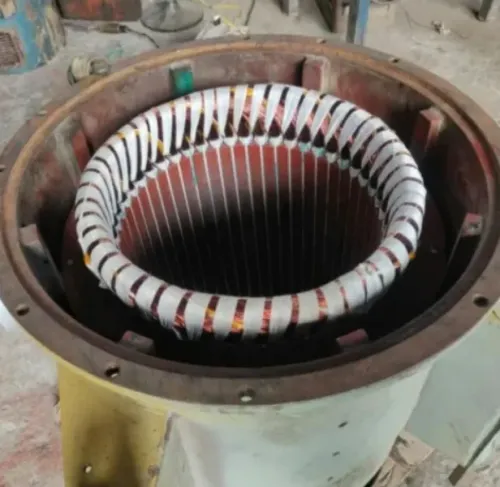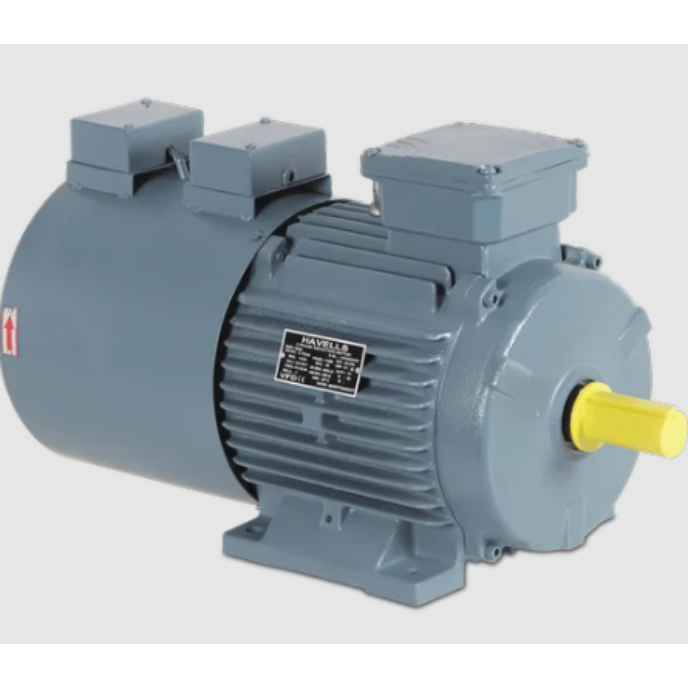
When a production motor develops a problem, the quality of diagnosis can be just as important as the repair itself. Selecting a suitable Havells Motor Service provider requires plant teams to look beyond basic workshop availability and assess whether the provider can handle the motor's actual electrical and mechanical condition.
For factories in Mumbai and industrial locations across Maharashtra, several practical checks can make provider evaluation easier.
Check Whether Diagnosis Comes First
A service provider should not assume every non-running motor requires rewinding.
Problems may originate from bearings, electrical connections, winding insulation, supply conditions, overload, cooling, shaft components, or external equipment.
Inspection and testing should establish the probable fault before a repair scope is finalised.
Provide Complete Motor Information
The more information available, the easier it becomes to investigate the failure.
Plant teams should provide:
- Motor nameplate information
- Application details
- Failure symptoms
- Previous repair history
- Load information
- Protection trip observations
- Recent abnormal noise
- Temperature observations
- Available maintenance records
Even details that seem minor can provide useful diagnostic clues.
Review Electrical and Mechanical Capabilities
Motor servicing should not be restricted to one side of the equipment.
Ask whether the provider can inspect winding condition, insulation, terminals, bearings, shafts, cooling arrangements, and other relevant areas.
This is particularly important when the motor has experienced repeated failures.
Ask How Rewinding Is Managed
If rewinding becomes necessary, the provider should be able to explain the basic process clearly.
Maintenance managers can ask how winding information is recorded, how the core is inspected, what insulation practices are followed, and what testing is carried out after the repair.
A technically clear explanation is more useful than a generic promise that the motor will simply be “made ready.”
Look for Clear Documentation
Service documentation helps maintenance departments retain information after the motor returns to operation.
The report should ideally identify the observed fault, completed repair work, replaced components, test observations, and any operating recommendations that need attention.
These records become particularly valuable when the same motor requires maintenance several years later.
Consider Turnaround Requirements Realistically
Fast repair is valuable when production is affected, but speed should not eliminate necessary inspection, winding preparation, curing, assembly, and testing processes.
Discuss expected turnaround based on the actual repair scope rather than assuming every motor can follow the same schedule.
Assess Local Industrial Support
Gelstar Engineering Services supports industrial electrical repair requirements in Mumbai, including motor servicing and rewinding work for industrial customers.
For plant maintenance teams, local service capability can simplify equipment movement, technical discussions, inspection coordination, and repair follow-up.
Evaluate the Provider Before the Emergency
One practical strategy is to identify suitable motor repair resources before a critical breakdown occurs.
Document motor inventories, identify production-critical units, maintain drawings and specifications where available, and establish an internal approval process for repair decisions.
Selecting a Havells motor service provider should ultimately be based on diagnostic capability, repair processes, testing, documentation, mechanical knowledge, and understanding of industrial applications. These factors provide a stronger basis for provider selection than price alone.