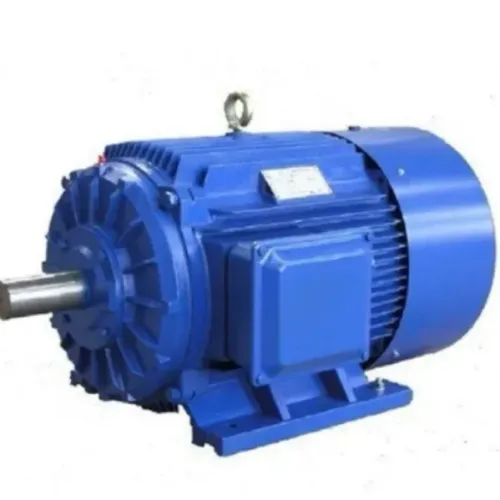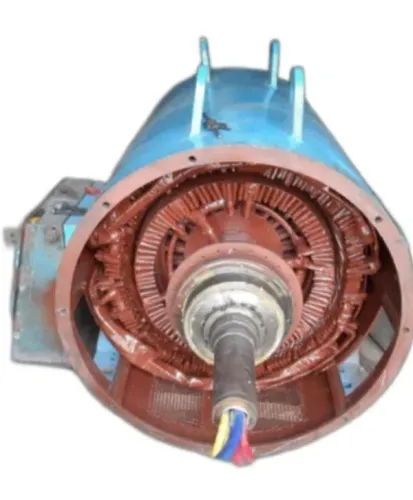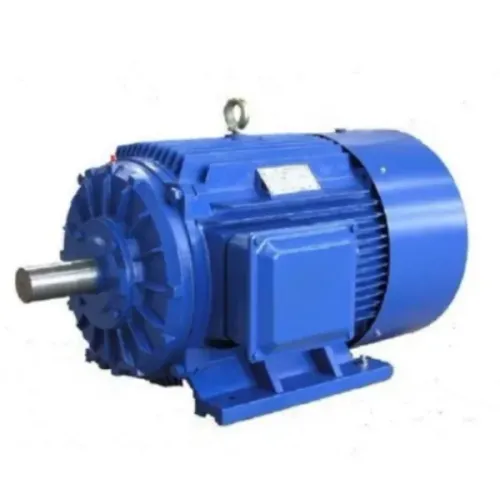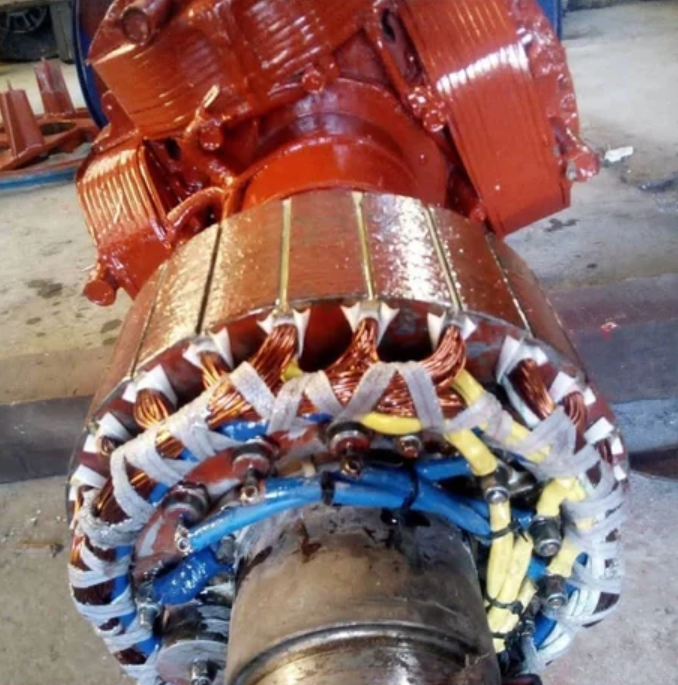
Electric motors are expected to deliver dependable operation across pumps, blowers, material-handling systems, machinery, ventilation equipment, and numerous industrial applications. Over time, however, winding insulation can deteriorate because of heat, contamination, electrical stress, moisture, overload, or ageing.
When winding failure occurs, Havells Motors Rewinding may be considered as part of restoring a serviceable motor. Understanding the process helps industrial users make better maintenance decisions.
When Does a Motor Need Rewinding?
Not every motor fault requires rewinding.
A motor may stop operating because of bearings, terminals, cables, protection devices, supply conditions, mechanical loading, or other issues. Rewinding becomes relevant when inspection and electrical testing confirm significant winding damage.
Common circumstances associated with winding problems can include overheating, insulation breakdown, shorted turns, phase-related winding faults, or severe electrical damage.
Initial Motor Inspection
Before dismantling begins, technicians should gather as much information as possible about the failure.
Useful details include operating load, recent trips, abnormal temperature, unusual noise, previous repairs, supply abnormalities, and the circumstances immediately before the motor stopped.
The motor is then inspected to assess its overall mechanical and electrical condition.
This step matters because repairing the winding without understanding the original failure can leave the root cause unresolved.
Recording Winding Information
Where rewinding is necessary, existing winding information must be carefully documented before removal.
The technician needs to establish the winding configuration and other relevant construction details so the replacement winding is appropriate for the motor.
Accuracy at this stage influences the quality of the finished repair.
Removing the Damaged Winding
Damaged winding material is removed while protecting the motor core and other reusable components.
The stator should then be cleaned and examined. Evidence of excessive heating, contamination, mechanical damage, or other abnormalities may require additional attention before rewinding continues.
Simply inserting a new winding into a damaged assembly is not a complete repair strategy.
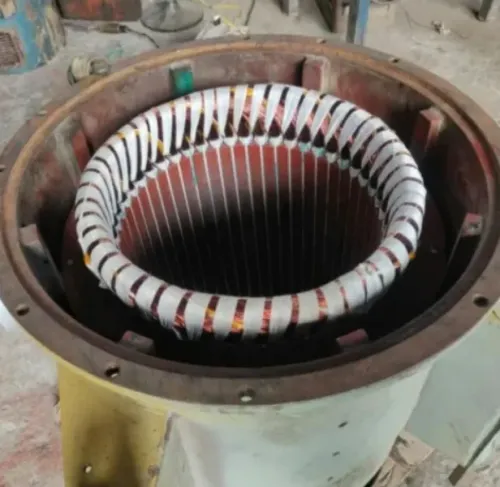
Installing New Windings
The winding is reconstructed according to the required motor configuration using suitable winding materials and insulation.
Workmanship is particularly important. Coil placement, insulation, connections, and winding arrangement must be handled consistently.
After winding installation, appropriate insulation treatment and curing processes may be carried out according to the repair method and motor requirements.
Testing Before Return to Service
A rewound motor should not be returned to the customer merely because it rotates.
Relevant electrical and mechanical checks help determine whether the repaired unit is suitable for service. Depending on the motor and repair scope, these may include winding resistance checks, insulation tests, no-load observations, current monitoring, vibration assessment, or other applicable tests.
Test documentation can also provide a useful baseline for future maintenance.
Preventing Another Failure
For factories in Mumbai and surrounding Maharashtra industrial regions, understanding the original cause of failure is particularly important where motors operate continuously or in demanding environments.
After Havells Motors Rewinding, maintenance teams should consider factors such as ventilation, loading, alignment, bearing condition, voltage quality, starting frequency, contamination, and preventive maintenance intervals.
Gelstar Engineering Services provides motor inspection, repair, and rewinding support for industrial users in Mumbai. The appropriate repair scope should be determined from the motor's actual condition rather than from a standard assumption.
Rewinding is therefore more than replacing burnt copper. A properly managed process begins with diagnosis, preserves the motor's relevant winding information, addresses mechanical condition, reconstructs the winding carefully, and verifies the repaired equipment before it returns to operation. That approach gives industrial users a clearer basis for deciding whether repair is practical for an important motor.