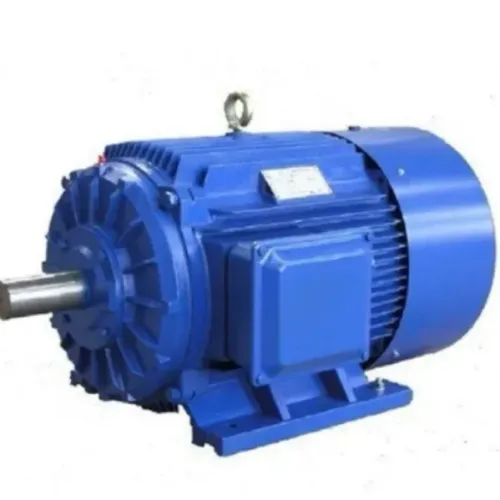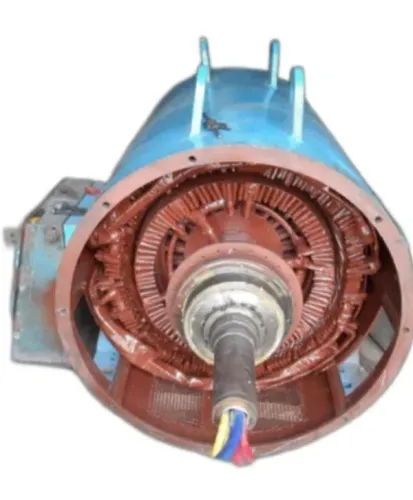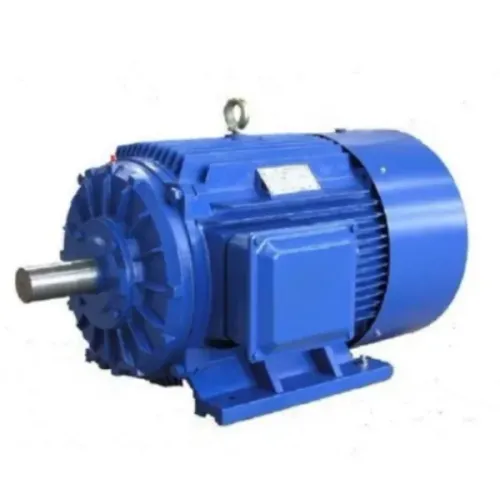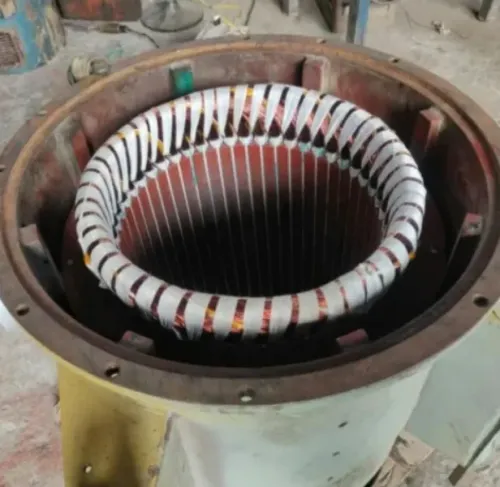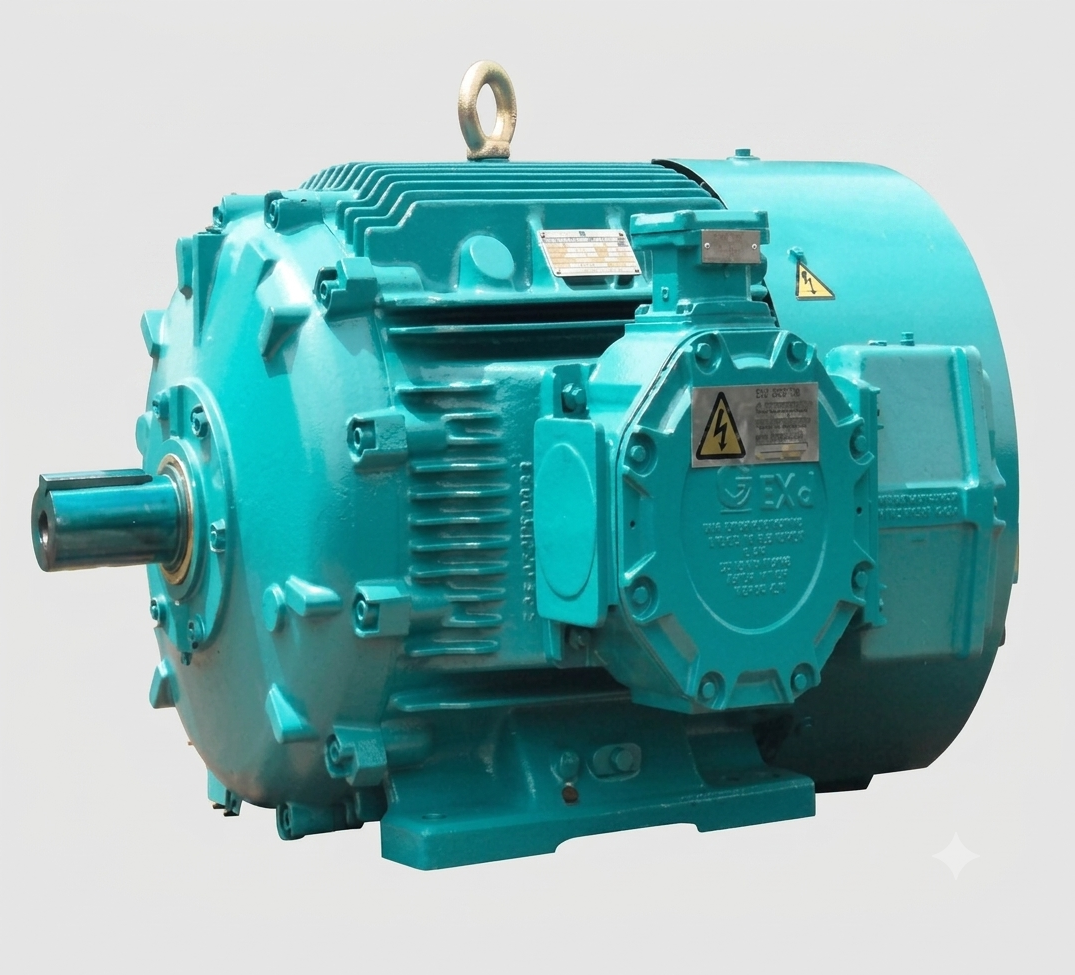
When an industrial motor stops unexpectedly, the pressure to restore production can lead to rushed decisions. While quick action is important, several common repair mistakes can extend downtime, create repeat failures, or result in unnecessary expenditure.
Businesses arranging CROMPTON GREAVES MOTORS REPAIR in Mumbai can reduce these risks by approaching the repair as a fault-investigation process rather than simply replacing damaged parts.
Assuming Every Failure Needs Rewinding
A motor that does not run is not necessarily a burnt motor.
Faults may involve bearings, terminals, power supply, protection devices, mechanical loading, cables, contactors, connections, or other components.
Authorizing rewinding without confirming winding damage can add unnecessary cost and turnaround time.
Electrical and mechanical inspection should establish the actual failure before the repair scope is finalized.
Ignoring the Root Cause
Replacing a failed component solves only part of the problem if the operating condition that caused the damage remains unchanged.
For example, repeated overheating could be associated with overload, inadequate ventilation, frequent starts, voltage problems, mechanical resistance, or environmental contamination.
A good repair process should therefore ask two questions: what failed, and why did it fail?
Selecting a Provider Only by Lowest Price
Repair quotations should be compared on scope.
A low quotation may exclude bearings, machining, insulation work, testing, cleaning, component replacement, or other necessary activities. Another quotation may include a more complete restoration process.
Procurement teams should request enough detail to understand what is included before comparing prices.
Failing to Share Operating History
The workshop can inspect physical damage, but the plant's maintenance team has information that may not be visible after dismantling.
Useful details include:
- Motor application
- Typical load
- Recent tripping history
- Previous repair history
- Abnormal noise
- Temperature changes
- Starting difficulties
- Supply-related events
- Conditions immediately before failure
Sharing these observations can support more effective diagnosis.
Reusing Questionable Components Automatically
Cost control is important, but every existing component should not automatically be reused.
Bearings, seals, terminals, cooling components, or mechanically damaged parts should be assessed according to condition. At the same time, replacement should not be recommended without technical justification.
Condition-based decisions help balance reliability and repair cost.
Skipping Post-Repair Verification
A repaired motor should be appropriately checked before being returned to industrial service.
The required verification depends on motor construction and repair scope. Electrical tests, insulation checks, mechanical observations, or test running may be relevant.
For critical equipment, maintenance teams can request documentation of key findings to establish a reference for future maintenance.
Reinstalling Without Checking the System
The motor may be correctly repaired while the original problem exists elsewhere in the installation.
Before restarting equipment, maintenance teams may need to review alignment, coupling condition, driven load, electrical supply, protection, ventilation, and mounting according to the failure circumstances.
This is especially important after repeated motor failures.
Gelstar Engineering Services supports industrial motor repair requirements for businesses in Mumbai. A structured assessment helps determine whether a problem requires winding work, mechanical repair, component replacement, or another corrective measure.
CROMPTON GREAVES MOTORS REPAIR should ultimately restore more than the ability to rotate the shaft. Industrial users need to understand the fault, correct relevant causes, verify the completed repair, and reinstall the motor under suitable operating conditions. Avoiding rushed diagnosis and incomplete repair decisions can reduce the likelihood of repeating the same maintenance cycle shortly after equipment returns to production.