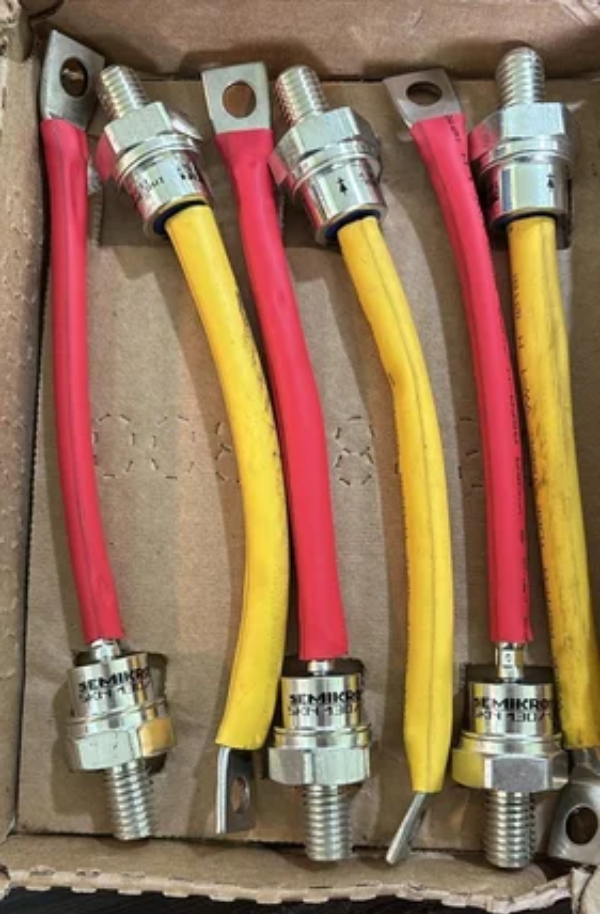
A dependable alternator depends on several interconnected components working together efficiently, and one of the most important among them is the Rotating Rectified Assembly Diodes. Although these diodes are relatively small compared to other alternator components, they perform a critical function in the excitation system by ensuring the proper conversion of electrical current required for stable power generation.
When these diodes begin to fail, the alternator may experience voltage instability, reduced output, overheating, or complete loss of excitation. Understanding their purpose and recognising the early signs of failure can help industries prevent unexpected downtime and costly equipment damage.
What Are Rotating Rectified Assembly Diodes?
Rotating rectified assembly diodes are semiconductor devices installed within the rotating rectifier assembly of a brushless alternator. Their primary function is to convert alternating current (AC) produced by the exciter into direct current (DC), which is then supplied to the rotor winding.
Without this conversion process, the rotor cannot generate the magnetic field required for efficient electricity generation.
Because these diodes rotate with the alternator shaft, they operate under demanding conditions that include:
- Continuous mechanical rotation
- High electrical loads
- Elevated operating temperatures
- Constant vibration
- Dust and environmental contamination
Their reliability directly affects the performance of the complete excitation system.
Why Diodes Play Such an Important Role
The excitation system depends on a steady supply of direct current. Even if a single diode fails, the electrical balance within the rotating rectifier assembly can be disturbed.
A faulty diode may result in:
- Reduced excitation current
- Generator voltage fluctuations
- Poor load handling
- Increased heat generation
- Damage to other excitation components
- Reduced alternator efficiency
This is why routine diode testing is an important part of preventive generator maintenance.
Common Causes of Diode Failure
Although rotating rectifier diodes are designed for long-term operation, several factors can shorten their service life.
The most common causes include:
- Excessive heat
- Voltage surges
- Mechanical vibration
- Aging semiconductor materials
- Loose electrical connections
- Overloading
- Poor cooling
- Moisture contamination
Regular inspections help identify these conditions before permanent damage occurs.
Warning Signs That Should Not Be Ignored
Alternators often display noticeable symptoms when rotating rectified assembly diodes begin to fail.
Common indicators include:
- Unstable generator voltage
- Difficulty building voltage after startup
- Reduced electrical output
- Frequent excitation alarms
- Overheating of alternator components
- Abnormal operating temperatures
- Repeated protection relay trips
Ignoring these warning signs may allow minor electrical faults to develop into major alternator failures.
How Professionals Test Rotating Rectifier Diodes
A proper inspection involves more than simply checking whether the generator is producing voltage. Engineers use specialised diagnostic equipment to evaluate the condition of each diode and its associated components.
Typical testing procedures include:
- Forward and reverse diode testing.
- Insulation resistance measurement.
- Excitation circuit inspection.
- Thermal analysis.
- Visual inspection for physical damage.
- Electrical continuity testing.
- Rotor performance evaluation.
- Load testing under operating conditions.
These tests provide a comprehensive understanding of the alternator's overall health.
Preventive Maintenance Reduces Downtime
Routine maintenance is one of the most effective ways to extend the service life of rotating rectifier assemblies.
A preventive maintenance schedule should include:
- Periodic diode testing
- Cleaning of electrical components
- Inspection of mounting hardware
- Checking electrical connections
- Monitoring operating temperatures
- Vibration analysis
- Excitation system evaluation
- Scheduled alternator performance testing
By identifying small issues early, industries can avoid expensive emergency repairs and production interruptions.
Choosing Experienced Technical Support
Diagnosing excitation system faults requires specialised knowledge of alternators, generators, and rotating electrical equipment. Replacing diodes without identifying the root cause may result in repeated failures and unnecessary maintenance costs.
Many industrial facilities across Mumbai work with experienced engineering service providers to inspect and maintain critical power generation equipment. Professional testing helps determine whether the issue lies within the rotating rectifier assembly, excitation system, Automatic Voltage Regulator, or another related component.
Gelstar Engineering Services offers technical expertise in alternator servicing, generator maintenance, motor rewinding, transformer repairs, and comprehensive electrical engineering solutions. Their systematic approach helps industries improve equipment reliability by evaluating the complete electrical system rather than replacing components based solely on visible symptoms.
Reliable Rotating Rectified Assembly Diodes are fundamental to stable alternator performance and efficient power generation. Through regular inspections, accurate testing, and preventive maintenance, industries can reduce the risk of unexpected failures, improve equipment lifespan, and maintain uninterrupted operations even in demanding industrial environments.