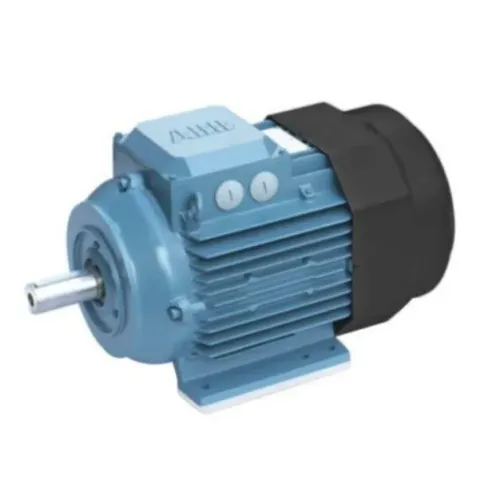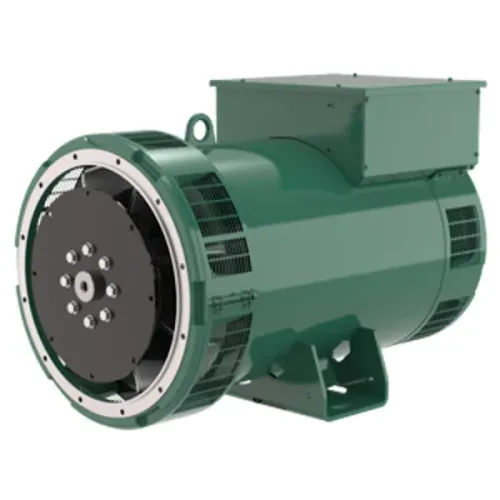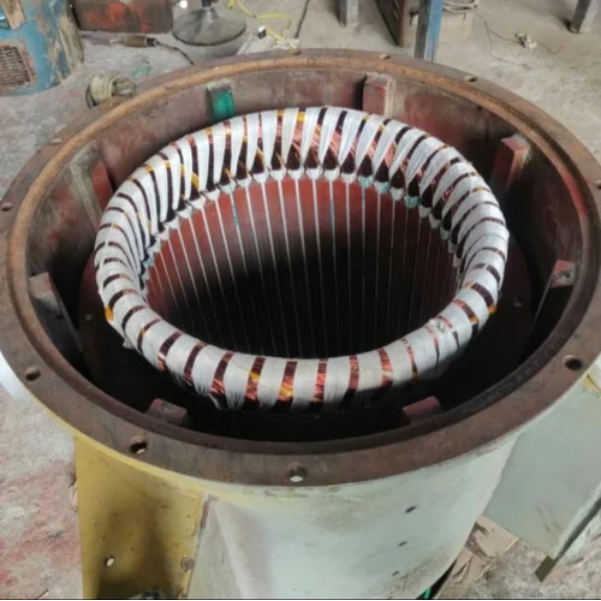
When an industrial motor develops winding damage, it can be tempting to view rewinding as a straightforward process of removing old copper and installing new coils. In practice, reliable Electric Motor Rewinding depends on preserving important motor characteristics while addressing the damage that caused the failure.
For plant engineers, understanding this process makes it easier to evaluate repair recommendations.
Assessment Begins Before the Old Winding Is Removed
Important winding information should be recorded before dismantling. This can include winding configuration, coil details, conductor dimensions, connections, and other construction characteristics relevant to the particular motor.
Careful documentation helps the rewinding process follow the motor's original electrical requirements.
The Core Condition Matters
Removing a failed winding exposes areas of the motor that should be inspected before new coils are installed.
If the core has suffered significant damage, simply installing new windings may not address the complete condition of the motor. This is one reason why inspection is an important stage of industrial motor rewinding.
The condition of slots, insulation surfaces, terminals, and related components should also be considered.
Insulation Is Critical to Reliability
Motor windings operate under electrical and thermal stress. Insulation systems help prevent electrical contact between conductors and grounded motor components.
Ageing, excessive temperature, contamination, moisture, and repeated electrical stress can reduce insulation integrity.
During rewinding, suitable insulation materials and correct application practices are therefore essential. Varnishing and curing may also form part of the process depending on the motor and repair method.
Mechanical Components Should Not Be Ignored
A winding failure does not mean the rest of the motor is automatically in good condition.
Bearings, shaft surfaces, housings, fans, terminal arrangements, and other mechanical parts can influence how the motor operates after repair.
For example, excessive bearing wear may contribute to vibration. Poor cooling can increase operating temperature. Alignment problems can impose additional mechanical loads after installation.
A comprehensive inspection looks beyond the visibly damaged winding.
Understanding Why the Winding Failed
One of the most useful questions during any motor failure investigation is simple — what caused the damage?
Possible contributors include:
- Sustained overload
- Poor ventilation
- High ambient temperature
- Contamination
- Moisture
- Voltage abnormalities
- Frequent starts
- Mechanical loading problems
- Age-related insulation deterioration
Correcting the winding without investigating the cause can leave the original operating problem unresolved.
Supporting Industrial Equipment in Maharashtra
Manufacturing facilities across Mumbai and Maharashtra depend on motors for both production equipment and supporting utilities. Unexpected failures can affect output, maintenance schedules, and equipment availability.
Gelstar Engineering Services provides industrial electrical repair support, including motor rewinding services for suitable equipment.
Plant teams can improve the quality of repair decisions by sharing motor specifications, operating history, application details, previous repair information, and failure symptoms with the service provider.
Electric motor rewinding should ultimately be treated as a technical restoration process rather than a simple component replacement job. Proper assessment, winding documentation, insulation work, mechanical inspection, testing, and failure analysis collectively determine whether a repaired motor is ready to return to industrial service.