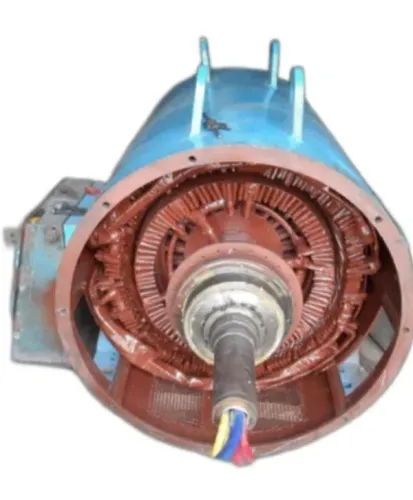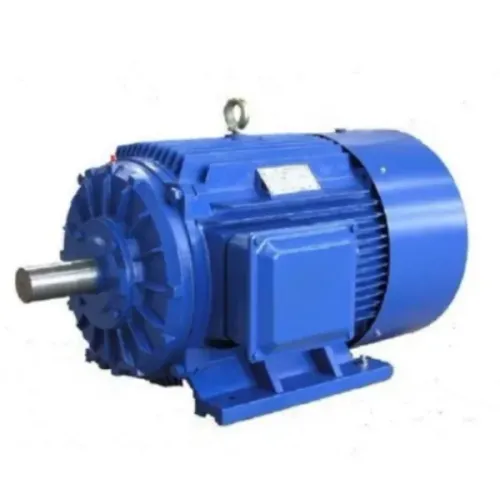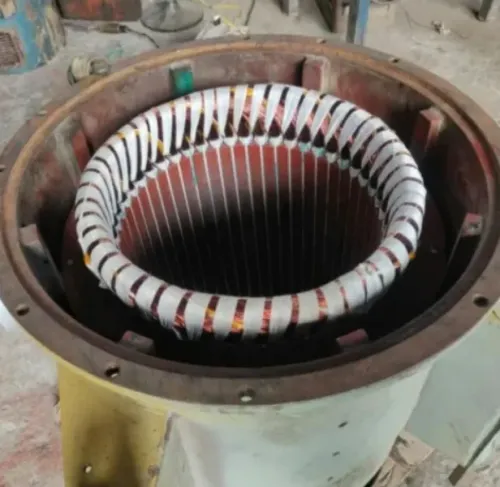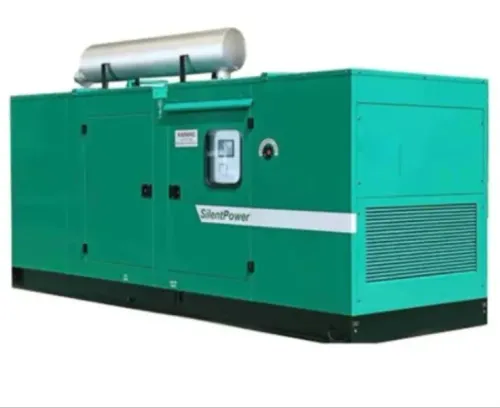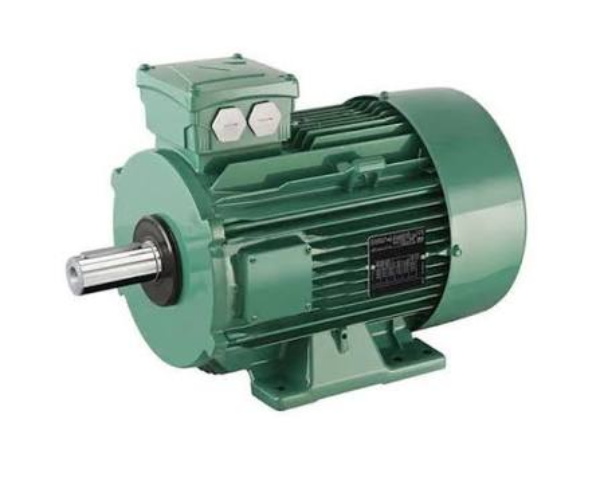
Electric motors are the driving force behind countless industrial operations. From pumps and compressors to conveyors and processing equipment, they keep production lines moving efficiently. However, every maintenance team eventually faces an important question: should the motor be repaired or replaced? This decision becomes even more significant when dealing with a Hindustan Electric Motor, where balancing repair costs, operational reliability, and long-term performance is essential.
While repairs can often restore a motor to excellent working condition, there are situations where replacement becomes the more practical and economical choice. Understanding the factors involved helps industries minimise downtime and make informed maintenance decisions.
Why Repair Isn't Always the Best Option
Many motor failures can be successfully repaired through rewinding, bearing replacement, insulation restoration, or mechanical refurbishment. However, repairing a motor that has reached the end of its service life may only delay future failures.
A detailed inspection is always the first step before deciding on the right course of action. The condition of the windings, rotor, bearings, shaft, frame, and insulation system all influence whether a repair is worthwhile.
Signs That a Motor May Need Replacement
Some motor problems indicate extensive wear that may no longer justify repeated repairs.
Watch for these warning signs:
- Frequent breakdowns despite previous repairs
- Excessive overheating during normal operation
- Significant insulation failure
- Cracked or damaged motor housing
- Severe shaft wear
- High vibration levels that continue after balancing
- Repeated bearing failures
- Reduced operating efficiency
- Noticeable increase in electricity consumption
If multiple issues occur together, replacing the motor may provide better long-term value than investing in recurring repairs.
Situations Where Repair Is Still a Practical Choice
Not every fault requires a new motor. In many cases, professional repairs restore reliable performance while extending equipment life.
Repairs are often recommended when:
- Bearings are worn but the windings remain healthy
- Insulation degradation is repairable
- Minor rotor damage is detected
- Electrical terminals require replacement
- Cooling fans or accessories are damaged
- The motor has experienced only limited operational hours
A well-executed repair can significantly reduce costs while maintaining dependable operation.
Factors That Influence the Decision
Choosing between repair and replacement involves evaluating more than the immediate repair estimate.
Important considerations include:
Age of the Motor
Older motors that have undergone several major repairs may no longer deliver the efficiency expected in modern industrial environments.
Energy Efficiency
Newer motors generally consume less electricity and offer improved operational performance. Over time, lower energy costs can offset the initial investment in replacement.
Availability of Spare Parts
If replacement components are difficult to source, maintaining the existing motor may become increasingly expensive and time-consuming.
Production Requirements
Facilities operating around the clock often prioritise long-term reliability over short-term repair savings to avoid costly production interruptions.
Overall Repair Cost
If repair expenses approach a significant percentage of the cost of a replacement motor, investing in a new unit may be the better decision.
The Importance of Professional Motor Assessment
Accurate diagnosis is essential before making any replacement decision. A comprehensive inspection provides valuable information about the actual condition of the motor.
A typical assessment includes:
- Insulation resistance testing
- Winding evaluation
- Bearing inspection
- Rotor condition analysis
- Shaft alignment checks
- Vibration measurement
- Temperature monitoring
- Load performance testing
These tests help maintenance teams understand whether repairs will provide dependable long-term results.
Preventive Maintenance Can Delay Replacement
Many premature motor failures can be avoided through a structured preventive maintenance programme.
Recommended maintenance practices include:
- Regular lubrication of bearings.
- Cleaning ventilation passages.
- Inspecting electrical connections.
- Monitoring operating temperatures.
- Performing vibration analysis.
- Checking insulation resistance periodically.
- Ensuring correct shaft alignment.
- Avoiding prolonged overloading.
Consistent maintenance extends motor life while reducing unexpected production downtime.
Choosing an Experienced Service Provider
Industrial motor servicing requires specialised knowledge, precision testing equipment, and practical engineering experience. Facilities across Mumbai often work with qualified engineering companies to evaluate motor condition before deciding whether repair or replacement offers the best long-term value.
Gelstar Engineering Services provides inspection, rewinding, repairs, maintenance, and engineering support for electric motors, alternators, transformers, generators, and other rotating equipment. Their technical evaluations focus on identifying the root cause of failures rather than simply replacing damaged components, helping industries make cost-effective maintenance decisions.
A Hindustan Electric Motor represents a valuable asset in any industrial operation. Making the right decision between repair and replacement requires careful assessment of its condition, operating efficiency, maintenance history, and future performance expectations. With expert evaluation and timely maintenance, businesses can maximise equipment reliability while controlling long-term operating costs.