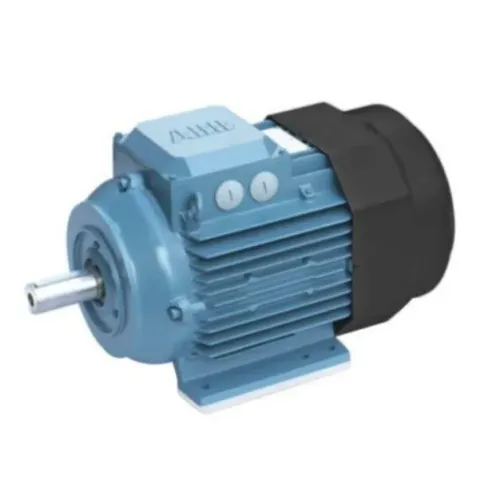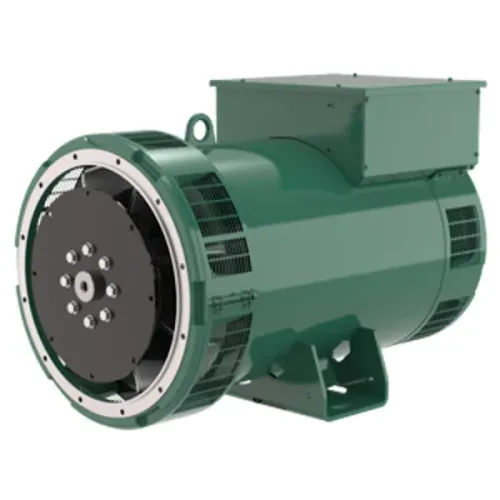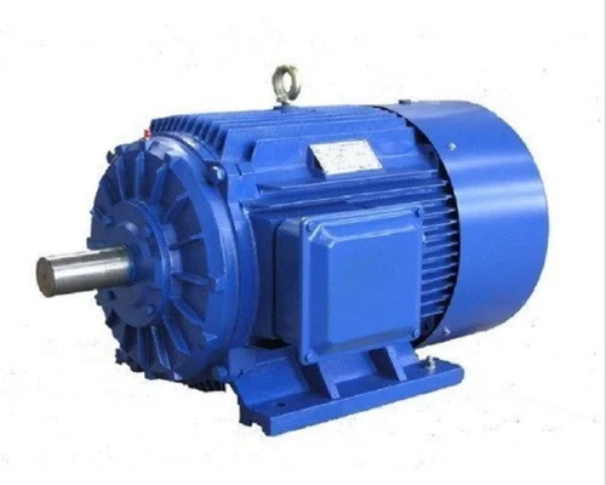
Electric motors drive pumps, fans, compressors, conveyors, machine tools, process equipment, and numerous auxiliary systems. Their importance is often most visible when one unexpectedly stops and affects an entire production process.
A structured Electric Motor Repair strategy helps industrial maintenance teams respond to these failures based on equipment condition rather than guesswork.
Motor Problems Often Develop Gradually
Not every motor moves directly from normal operation to complete failure. Many problems develop progressively.
Maintenance personnel may notice:
- Increasing bearing noise
- Excessive vibration
- Rising motor temperature
- Unusual current readings
- Frequent protection trips
- Reduced output
- Insulation deterioration
- Abnormal smell
- Shaft movement
- Cooling problems
Recognising these signs early can create an opportunity to investigate the equipment during planned maintenance rather than after an unexpected shutdown.
Electrical and Mechanical Faults Need Different Attention
A motor is an electromechanical asset, which means the source of a problem may exist on either side.
Electrical issues can include winding insulation deterioration, damaged connections, phase imbalance, winding faults, and supply-related stress.
Mechanical problems can involve bearings, shafts, housings, cooling fans, alignment, coupling conditions, and excessive vibration.
This distinction matters because replacing bearings will not correct damaged windings, while rewinding a motor will not solve a persistent alignment problem.
Diagnosis Should Come Before Repair
A professional repair decision starts with inspection and testing. The exact tests depend on the motor design and condition, but the objective remains the same — identify the fault before deciding how much repair work is justified.
Maintenance managers should provide the repair team with information about the application, load, failure symptoms, operating environment, previous repair history, and events immediately preceding the breakdown.
That context can significantly improve troubleshooting.
Consider the Criticality of the Motor
A small motor on a non-critical application and a large motor controlling a production bottleneck should not necessarily follow the same maintenance strategy.
Plants can classify motors according to:
- Production impact
- Replacement availability
- Repair lead time
- Safety implications
- Spare motor availability
- Equipment value
- Consequences of downtime
Critical motors may justify periodic condition checks and documented repair histories.
Mumbai Industries Face Varied Operating Conditions
Industrial equipment operating in Mumbai and other Maharashtra manufacturing centres can experience humidity, dust, continuous production cycles, elevated temperatures, and demanding process conditions. These factors make preventive inspection particularly useful.
Facilities in engineering, pharmaceutical, chemical, food processing, infrastructure, utility, and related industries can benefit from treating motor maintenance as part of overall asset reliability.
Gelstar Engineering Services works with industrial electrical equipment, including motor repair and maintenance requirements in the Mumbai region.
Build Repair Information Into Maintenance Records
Every significant motor intervention should add information to the equipment's maintenance history.
Record what failed, what tests were conducted, which components were replaced, whether the winding was repaired, and what operating observations were made after installation.
Over time, this creates a useful reliability record.
Electric motor repair is most effective when it is connected to a broader maintenance process. Early warning signs, accurate diagnosis, appropriate repair methods, and documented operating history can help plant teams make more informed decisions about critical rotating equipment.