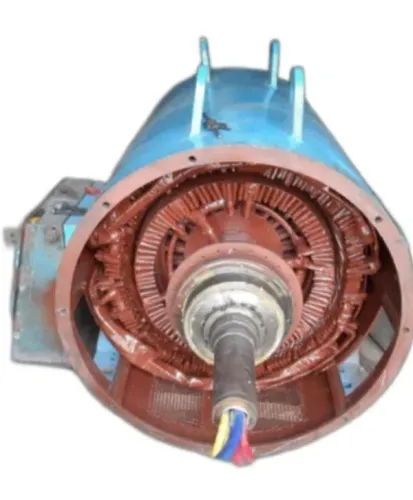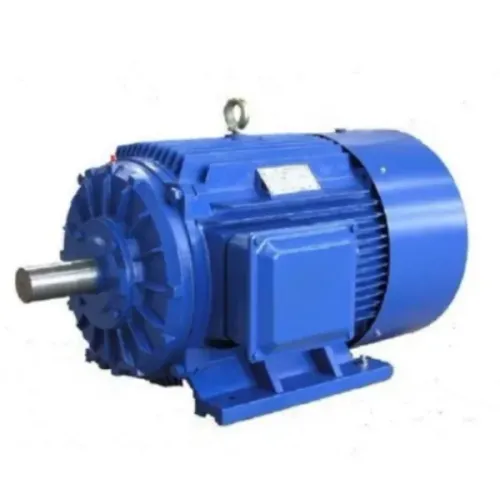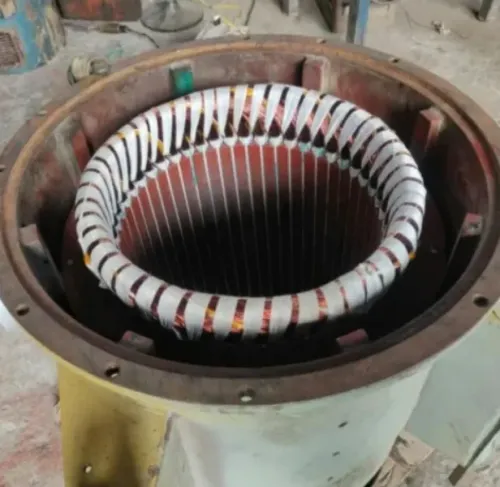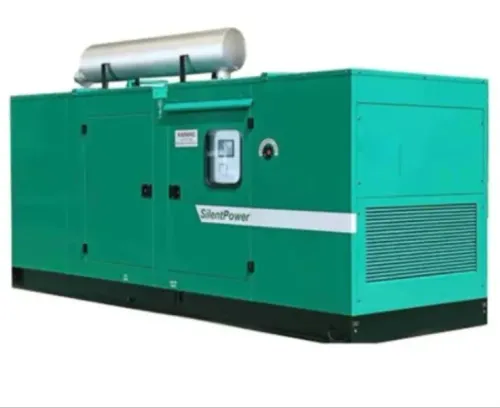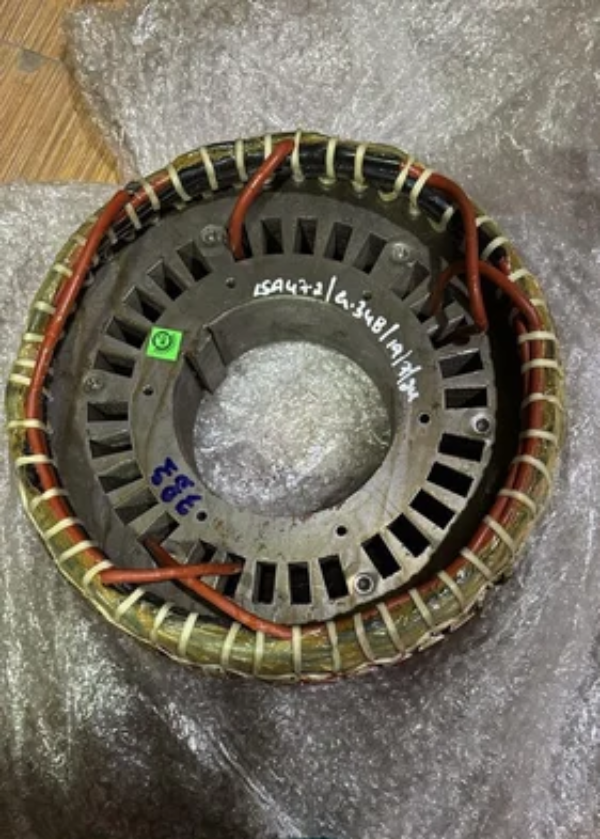
A Rotating Rectifier Assembly is one of the most important components in a brushless alternator, yet it is often overlooked until a generator starts showing signs of poor performance. Whether you operate a manufacturing plant, commercial facility, power station, or industrial processing unit, understanding how this component works can help prevent costly equipment failures and unexpected downtime.
Many industrial generators rely on brushless excitation systems to produce stable electrical output. Within these systems, the rotating rectifier assembly converts alternating current (AC) generated by the exciter into direct current (DC), which is then supplied to the main rotor. This process creates the magnetic field required for consistent power generation. If the assembly develops faults, the entire alternator may experience unstable voltage, reduced efficiency, or complete failure.
How Does a Rotating Rectifier Assembly Work?
The assembly consists of multiple diodes mounted on a rotating wheel or heat sink attached to the alternator shaft. As the exciter produces AC voltage, these diodes rectify it into DC before transferring it to the generator rotor.
Because the assembly rotates continuously while carrying electrical current, it operates under demanding conditions that include:
- High rotational speeds
- Continuous thermal stress
- Mechanical vibration
- Electrical load fluctuations
- Dust, humidity, and harsh industrial environments
Over time, these operating conditions naturally contribute to component wear, making regular inspection and maintenance essential.
Common Signs of a Failing Rotating Rectifier Assembly
Many generator issues initially appear to be related to the Automatic Voltage Regulator or excitation system when the actual cause is a damaged rotating rectifier assembly. Recognizing the warning signs early can prevent major repairs.
Some of the most common symptoms include:
- Generator voltage fluctuating unexpectedly
- Failure to build voltage after startup
- Reduced power output under load
- Frequent excitation faults
- Overheating within the alternator
- Repeated tripping of protective systems
- Visible damage to rectifier diodes
Ignoring these symptoms can eventually affect the rotor windings, excitation circuit, and other critical electrical components.
Why Diode Health Is So Important
The diodes inside the rotating rectifier assembly are responsible for converting AC into DC accurately and efficiently. Even a single failed diode can disturb the excitation balance, reducing generator stability.
A damaged diode may lead to:
- Uneven current distribution
- Excess heat generation
- Increased stress on remaining components
- Poor voltage regulation
- Lower overall alternator efficiency
Routine testing of rectifier diodes during scheduled maintenance can identify these issues before they escalate into larger failures.
Industries That Depend on Reliable Excitation Systems
Reliable generator performance is essential across a wide range of industries where uninterrupted electrical supply directly impacts operations.
Examples include:
- Manufacturing facilities
- Chemical processing plants
- Pharmaceutical production units
- Commercial complexes
- Data centres
- Infrastructure projects
- Marine applications
- Utility and power generation facilities
Industrial businesses across Mumbai often rely on dependable generator systems to maintain continuous production, especially during peak operating hours or backup power situations.
Preventive Maintenance Makes a Significant Difference
Rather than waiting for generator failure, preventive maintenance helps improve equipment reliability while reducing repair costs.
A comprehensive inspection typically includes:
- Testing rectifier diode performance.
- Checking insulation resistance.
- Examining electrical connections.
- Inspecting heat sinks for damage.
- Verifying excitation voltage.
- Monitoring temperature rise during operation.
- Assessing mechanical wear caused by vibration.
These inspections provide valuable information about the health of the alternator before failures interrupt operations.
Repair or Replace?
Not every rotating rectifier assembly requires complete replacement. Experienced electrical engineers first evaluate the overall condition of the assembly before recommending corrective action.
Factors considered include:
- Extent of diode damage
- Mechanical condition
- Heat sink integrity
- Compatibility with the existing alternator
- Expected remaining service life
- Overall repair cost compared to replacement
In many cases, replacing only damaged components can restore reliable generator performance while minimizing operational expenses.
Choosing Experienced Technical Support
Servicing excitation systems requires specialized knowledge, precision testing equipment, and an understanding of different alternator designs. Improper diagnosis can lead to unnecessary component replacements or recurring electrical faults.
Companies such as Gelstar Engineering Services provide industrial engineering support for alternators, motors, transformers, generators, rewinding, and electrical maintenance. Experienced service providers also evaluate related excitation components to ensure the complete system operates efficiently rather than addressing only the visible fault.
When selecting technical support, it is worth choosing professionals who have experience with industrial rotating equipment, genuine replacement components, and detailed testing procedures that verify long-term reliability.
A properly maintained Rotating Rectifier Assembly plays a vital role in ensuring stable generator operation, efficient power generation, and reduced maintenance costs. Understanding its function and recognizing early warning signs allows facility managers, maintenance teams, and industrial operators to make informed maintenance decisions that improve equipment reliability and minimize costly downtime.