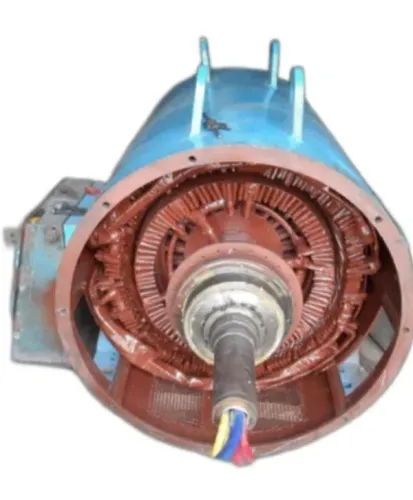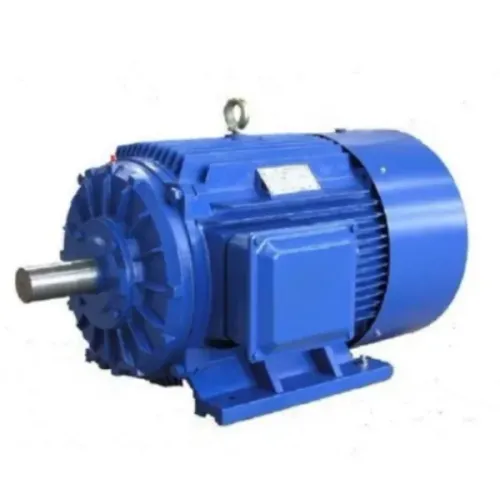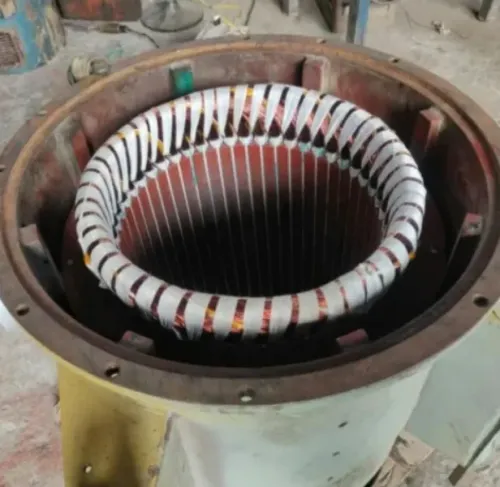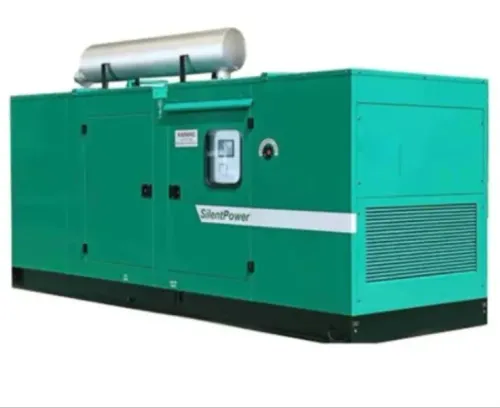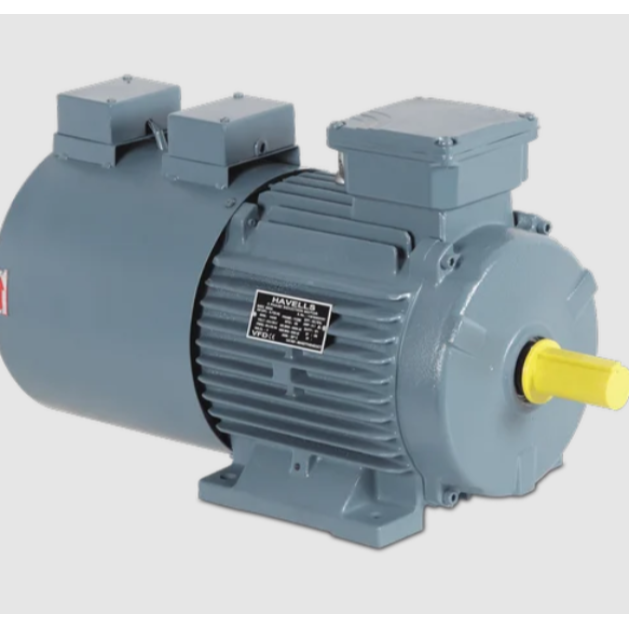
A production-critical motor failure can stop a conveyor, pump, compressor, blower, process machine, or an entire supporting utility. Under these conditions, choosing an Industrial electric motor repair provider purely on availability or quotation value can create additional operational risk.
Factory managers in Mumbai can evaluate repair providers more effectively by considering technical capability, communication, turnaround planning, and testing together.
Start With the Type of Motor
Industrial facilities may operate different motor designs, ratings, duties, and applications.
Before sending equipment to a workshop, confirm that the provider has relevant experience with the motor category involved. The diagnostic and repair requirements of a standard low-voltage motor may differ from those of a specialized, large, DC, or application-specific unit.
Provide nameplate details and application information during the initial discussion.
Evaluate the Diagnosis Process
A credible repair process should distinguish symptoms from causes.
For example, a burnt winding is visible damage, but the reason behind that damage could involve overload, voltage conditions, ventilation, mechanical resistance, contamination, repeated starting, or another problem.
Ask what inspection will be carried out before the final repair scope is recommended.
This can help prevent repeated failure after the motor returns to service.
Review Workshop Capabilities
The required capability depends on the motor, but industrial customers may need access to winding work, bearing replacement, mechanical inspection, shaft-related work, cleaning, insulation treatment, assembly, or appropriate testing.
Where multiple issues are found, coordinated electrical and mechanical assessment can simplify repair management.
The objective is not to choose the workshop with the longest list of services. It is to ensure the capabilities match the actual equipment requirement.
Compare Turnaround With Technical Scope
Downtime matters, particularly in Mumbai's manufacturing and process industries.
However, realistic turnaround should reflect inspection, dismantling, material availability, repair, curing where applicable, reassembly, and testing.
Ask providers to identify factors that could change the initial estimate. Clear communication is more useful than an unrealistic completion promise.
Request a Defined Quotation
A quotation should make the proposed scope understandable.
For significant repairs, clarify whether the quoted work includes:
- Winding work
- Bearing replacement
- Mechanical repair
- Cleaning
- Insulation treatment
- Component replacement
- Assembly
- Testing
This helps procurement teams compare equivalent scopes rather than comparing only final amounts.
Consider Emergency Support Needs
Plants with critical motors should think beyond the current repair.
A provider that understands the facility's equipment base, critical applications, historical failures, and maintenance expectations may be easier to work with during future emergencies.
Maintaining an equipment register with motor details can also speed up discussions when a breakdown occurs.
Look for Clear Technical Communication
Industrial electric motor repair involves decisions that may affect production and maintenance budgets. The provider should therefore be able to explain the observed damage, proposed repair, additional defects discovered after dismantling, and testing performed after completion.
Gelstar Engineering Services supports motor, alternator, and transformer repair requirements for industrial customers in Mumbai. The suitability of any repair should be established from equipment condition and operating requirements rather than from a standard one-size-fits-all scope.
For factories across Maharashtra, selecting an Industrial electric motor repair provider is ultimately a reliability decision. Diagnostic discipline, appropriate workshop capability, transparent scope, realistic turnaround, testing, and communication provide stronger selection criteria than price alone. Establishing these expectations before a breakdown also makes emergency repair decisions faster and better organized when production-critical equipment unexpectedly stops.