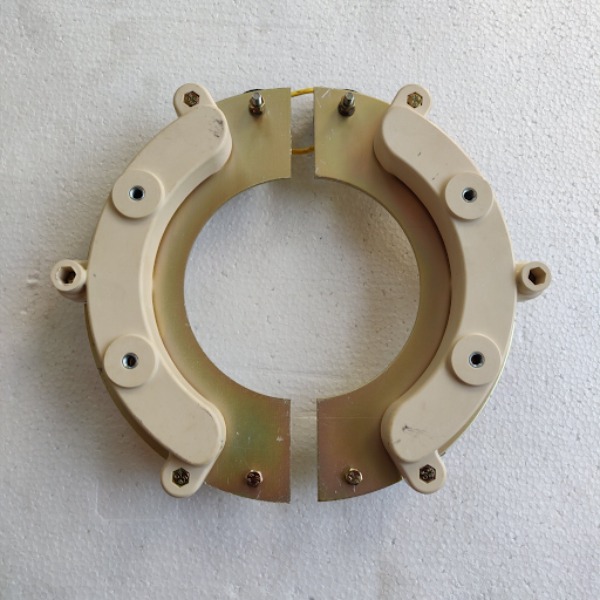
Industrial generators and alternators are expected to deliver reliable performance every day, especially in facilities where even a few minutes of downtime can disrupt production. One of the critical components that supports stable generator operation is the LS Rotating Rectified Assembly Diodes. These diodes play a vital role in the excitation system, and when they begin to fail, the effects can be seen throughout the entire power generation system.
While replacing damaged diodes may appear straightforward, the quality of the service provider is just as important as the replacement component itself. An experienced engineering team will diagnose the root cause of the failure rather than simply installing new parts, helping industries avoid recurring problems and unnecessary maintenance costs.
Why Expertise Matters When Servicing Rotating Rectifier Diodes
Rotating rectifier assemblies operate under high electrical and mechanical stress. Faults are not always limited to the diode itself and may involve the excitation circuit, rotor winding, Automatic Voltage Regulator, or associated electrical components.
An experienced service provider understands how these systems interact and performs comprehensive testing before recommending repairs.
Professional servicing helps ensure:
- Accurate fault diagnosis
- Reliable replacement components
- Improved generator performance
- Reduced risk of repeat failures
- Better long-term equipment reliability
Choosing a specialist rather than relying on trial-and-error repairs can save both time and operational costs.
What Should a Professional Inspection Include?
A reputable engineering company should evaluate the complete excitation system rather than focusing on only one component.
A thorough inspection generally includes:
- Diode forward and reverse testing
- Rotor winding inspection
- Excitation circuit analysis
- Insulation resistance measurement
- Thermal performance assessment
- Mechanical inspection of the rotating assembly
- Voltage regulation checks
- Load testing after repairs
These procedures help identify hidden issues that may otherwise remain undetected.
Questions to Ask Before Selecting a Service Provider
Choosing the right engineering partner involves more than comparing quotations.
Consider asking the following questions:
Do They Have Experience with Industrial Alternators?
Experience with large industrial generators and alternators is essential because different excitation systems require specialised knowledge.
Can They Perform Complete Diagnostic Testing?
Reliable service providers should have testing equipment capable of evaluating electrical, mechanical, and thermal performance.
Do They Offer Repair as Well as Replacement?
Sometimes replacing only the faulty diode is sufficient, while other situations require complete assembly refurbishment. A company that offers both options can recommend the most practical solution.
Are Genuine or High-Quality Components Used?
Using reliable replacement components helps improve operational life and reduces the likelihood of future failures.
Can They Support Preventive Maintenance?
Preventive inspections often identify developing faults before they interrupt production, making ongoing technical support an important consideration.
Warning Signs That Indicate Immediate Service Is Needed
Delaying repairs can increase the likelihood of more extensive generator damage.
Arrange a professional inspection if you notice:
- Voltage instability
- Generator failing to build voltage
- Frequent excitation alarms
- Excessive alternator heating
- Unusual electrical smells
- Sudden reduction in power output
- Repeated protective relay trips
- Visible damage within the rotating rectifier assembly
Early intervention usually results in lower repair costs and shorter maintenance shutdowns.
Benefits of Working with an Experienced Engineering Company
A qualified engineering service provider contributes more than technical repairs. They also help improve equipment reliability and maintenance planning.
Some of the long-term benefits include:
- Reduced unplanned downtime
- Improved generator efficiency
- Longer component lifespan
- Better maintenance scheduling
- Lower lifecycle operating costs
- Increased operational safety
- Reliable technical documentation
These advantages become particularly valuable for facilities operating critical power systems around the clock.
Industries That Depend on Reliable Excitation Systems
Reliable rotating rectifier assemblies are essential across many industrial sectors, including:
- Manufacturing plants
- Power generation facilities
- Infrastructure projects
- Oil and gas operations
- Cement and steel industries
- Pharmaceutical manufacturing
- Commercial utility installations
- Process industries
Industrial businesses throughout Mumbai often prioritise specialised engineering support because generator reliability directly affects production continuity and operational efficiency.
Selecting a Trusted Engineering Partner
When evaluating engineering companies, look for proven technical expertise, comprehensive testing capabilities, experienced engineers, and a structured maintenance approach.
Gelstar Engineering Services supports industrial clients with alternator servicing, generator repairs, transformer maintenance, motor rewinding, excitation system diagnostics, and electrical engineering solutions. By assessing the complete generator system instead of replacing individual components in isolation, the company helps industries achieve more dependable and cost-effective maintenance outcomes.
Choosing the right service provider for LS Rotating Rectified Assembly Diodes is an important step in maintaining reliable generator performance. Comprehensive diagnostics, quality workmanship, and preventive maintenance can significantly reduce equipment failures, improve operational efficiency, and extend the service life of critical power generation systems.