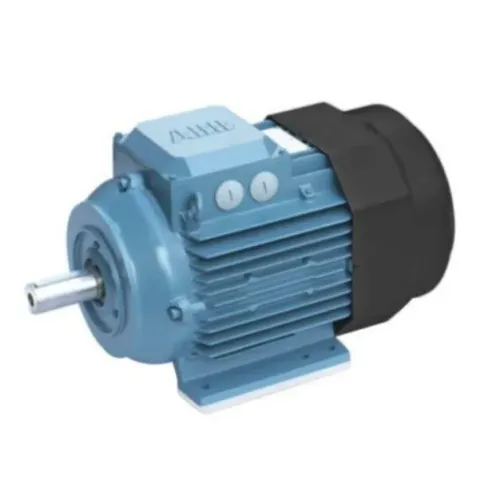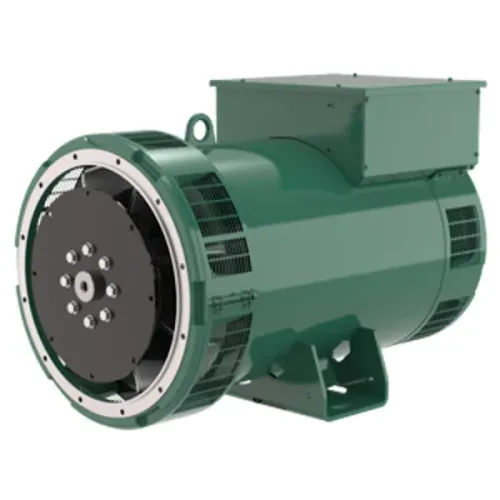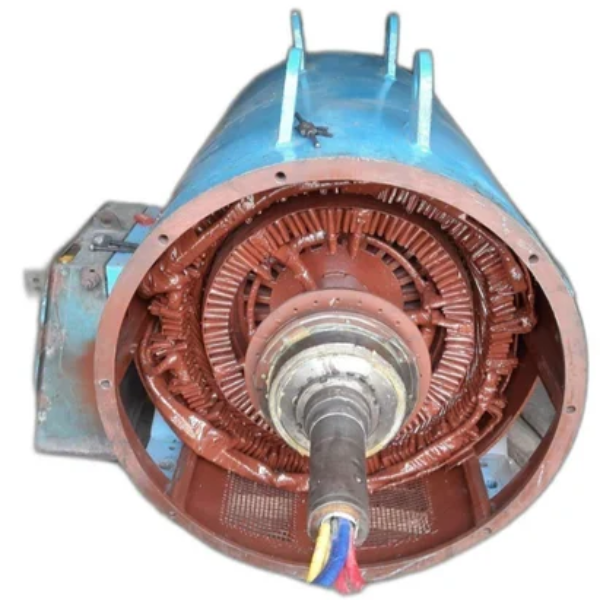
Industrial DC motors often operate under demanding conditions involving continuous loads, frequent starts, temperature fluctuations, dust, vibration, and changing production requirements. Over time, these operating conditions can affect winding insulation and electrical performance. DC Motor Rewinding is one of the established repair methods used when winding deterioration is identified and the motor remains mechanically suitable for restoration.
For manufacturing plants and industrial facilities in Mumbai and across Maharashtra, understanding when rewinding is appropriate can help maintenance teams make better decisions during motor breakdowns.
What Happens Inside a DC Motor Winding
The winding carries electrical current and produces the electromagnetic conditions required for motor operation. Heat, contamination, electrical stress, moisture, overloads, and ageing can gradually weaken winding insulation.
Typical warning signs can include:
- Frequent overheating during operation
- Insulation resistance deterioration
- Repeated tripping
- Burning smell near the motor
- Abnormal sparking around the commutator
- Reduced torque
- Unstable motor performance
- Visible winding damage
These symptoms do not automatically mean that rewinding is required. Proper testing should come first because mechanical, brush, bearing, commutator, supply, and alignment problems can produce similar symptoms.
What DC Motor Rewinding Involves
Rewinding is more than removing damaged copper and installing new winding material. The existing winding configuration should first be documented so that critical electrical characteristics can be maintained.
A typical process can involve dismantling, winding assessment, removal of damaged coils, core inspection, insulation preparation, new coil winding, connection work, varnishing, curing, assembly, and electrical testing.
The commutator, bearings, brushes, shaft, cooling arrangement, and other mechanical components may also require inspection.
Why Proper Testing Matters
Industrial maintenance teams should avoid treating every motor failure as a winding problem. Testing helps establish the actual condition of the motor before repair work begins.
Insulation resistance testing, winding resistance measurements, visual examination, and relevant mechanical checks can provide valuable information about the failure.
Finding the cause is particularly important. If an overloaded application, blocked ventilation, voltage issue, contamination, or alignment problem damaged the winding, simply rewinding the motor without correcting the underlying condition may lead to another failure.
Rewinding Can Support Asset Utilisation
Replacing an industrial DC motor may involve procurement delays, dimensional compatibility concerns, coupling modifications, and production downtime. Where the existing motor is repairable, rewinding can help extend the useful service life of the equipment.
This is especially relevant for older industrial machines where an exact replacement may not be readily available.
Gelstar Engineering Services supports industrial electrical equipment repair requirements for customers in Mumbai and Maharashtra, including motor inspection and rewinding-related work.
What Maintenance Teams Should Record
Keeping a motor history can improve future maintenance decisions. Useful records include operating current, previous failures, bearing changes, rewinding history, load conditions, insulation test results, and unusual operating observations.
This information helps engineers identify recurring patterns instead of treating every breakdown as an isolated incident.
For industrial facilities, the objective of DC motor rewinding should not simply be to make a failed motor run again. The better approach is to understand why it failed, determine whether restoration is technically appropriate, and return the equipment to service with the necessary electrical and mechanical checks completed.