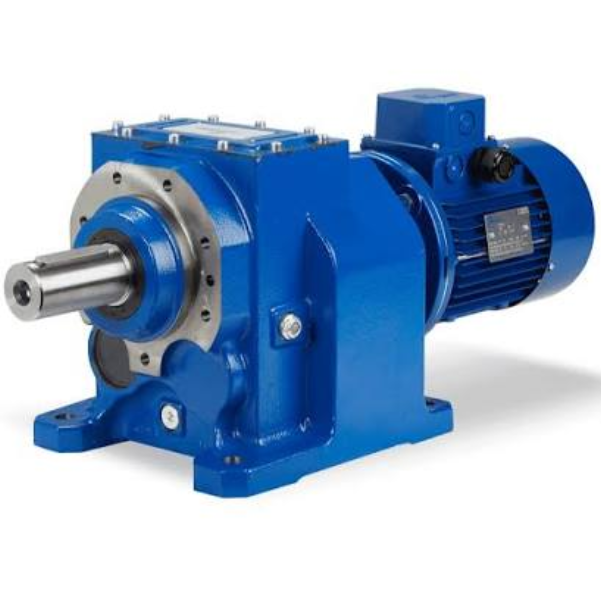
Industrial machinery often requires more than just rotational power. Many applications demand controlled speed, high torque, and smooth power transmission to ensure consistent productivity. This is where an Inline Helical Gear Motor becomes an excellent solution. By combining an electric motor with a helical gearbox, it delivers reliable performance while improving energy efficiency and reducing mechanical stress on equipment.
From manufacturing plants to automated production lines, inline helical gear motors have become an essential component in industries that depend on precision and continuous operation.
What Is an Inline Helical Gear Motor?
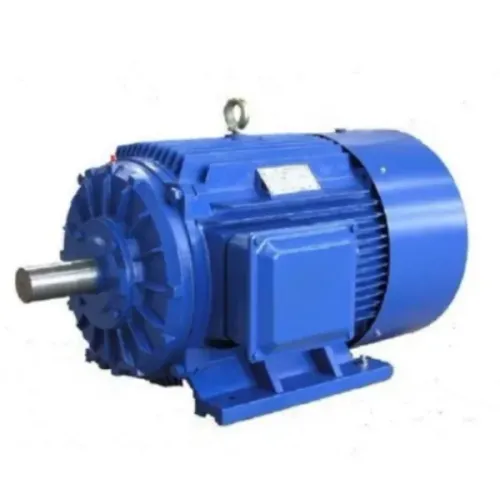
An inline helical gear motor consists of a standard electric motor connected directly to a helical gearbox. The helical gears are designed with angled teeth that engage gradually, allowing smoother and quieter power transmission compared to many other gear arrangements.
The inline design means the input and output shafts are positioned on the same axis, making the unit compact and suitable for installations where space is limited.
These gear motors are commonly used in:
- Conveyor systems
- Packaging machinery
- Material handling equipment
- Food processing plants
- Cement industries
- Textile machinery
- Pharmaceutical manufacturing
- Automated production lines
Their versatility makes them suitable for both light-duty and heavy-duty industrial applications.
Why Helical Gear Technology Is Preferred
The design of helical gears provides several operational advantages over conventional gear systems. Since multiple gear teeth remain engaged during operation, power is transferred more smoothly and efficiently.
Some of the key benefits include:
- Quiet operation
- High torque output
- Reduced vibration
- Better load distribution
- Improved energy efficiency
- Longer service life
- Lower maintenance requirements
These advantages help industries maintain stable production while reducing wear on mechanical components.
Applications That Benefit Most
Inline helical gear motors are selected when machinery requires controlled movement and consistent torque under varying load conditions.
Some common industrial applications include:
Conveyor Systems
Smooth speed control ensures products move efficiently throughout production and packaging processes.
Material Handling Equipment
Heavy loads can be transported safely while maintaining consistent operating speeds.
Industrial Mixers
Mixing equipment requires steady torque to achieve uniform processing without placing excessive strain on the motor.
Packaging Machines
Accurate speed control improves product quality while supporting automated production.
Process Industries
Chemical, pharmaceutical, and food manufacturing facilities depend on reliable gear motors to maintain continuous production.
Important Factors to Consider Before Selection
Selecting the correct gear motor involves evaluating several technical parameters.
These include:
- Required output torque
- Operating speed
- Motor power rating
- Gear reduction ratio
- Mounting configuration
- Ambient operating conditions
- Load characteristics
- Duty cycle
Choosing the correct combination improves equipment efficiency and extends service life.
Common Causes of Gear Motor Failure
Although inline helical gear motors are known for their durability, improper operation or poor maintenance can reduce their lifespan.
Some common issues include:
- Insufficient lubrication
- Bearing wear
- Gear tooth damage
- Shaft misalignment
- Overloading
- Oil leakage
- Excessive vibration
- Contamination from dust or moisture
Routine inspections help identify these problems before they affect production.
Maintenance Practices That Improve Reliability
A preventive maintenance programme significantly reduces the risk of unexpected breakdowns.
Recommended maintenance includes:
- Monitoring gearbox oil condition.
- Inspecting bearings regularly.
- Checking shaft alignment.
- Inspecting seals for leakage.
- Measuring vibration levels.
- Cleaning external cooling surfaces.
- Monitoring operating temperatures.
- Inspecting mounting bolts and couplings.
Following these practices improves equipment reliability while reducing long-term maintenance costs.
Why Professional Servicing Is Important
Gear motors involve both electrical and mechanical systems. Accurate diagnosis requires expertise in motor performance, gearbox operation, lubrication, alignment, and vibration analysis.
Industrial businesses throughout Mumbai often rely on experienced engineering professionals to inspect, repair, rewind, and maintain gear-driven equipment to minimise downtime and improve production efficiency.
Gelstar Engineering Services provides engineering support for electric motors, alternators, transformers, generators, rewinding, and industrial rotating equipment. Their technical approach includes evaluating the complete drive system, ensuring that motors, gearboxes, and associated components operate together efficiently rather than addressing only the visible fault.
An Inline Helical Gear Motor offers an excellent balance of efficiency, durability, and precision for modern industrial applications. Selecting the right unit, performing regular maintenance, and seeking professional technical support when required can significantly improve equipment performance, extend service life, and reduce unexpected operational disruptions.