When an industrial motor fails, the quality of information supplied to the repair workshop can influence how efficiently the fault is assessed. Maintenance teams often send a motor for repair with little more than a statement that it has burnt, even though operating history can provide valuable diagnostic clues.
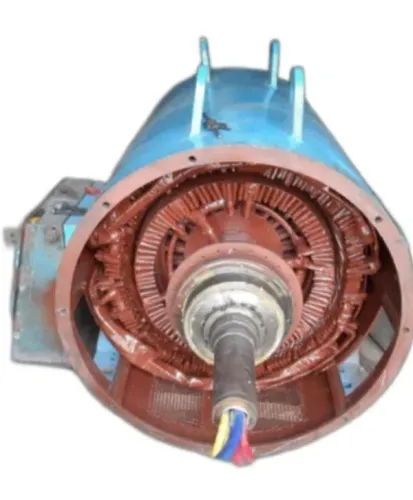
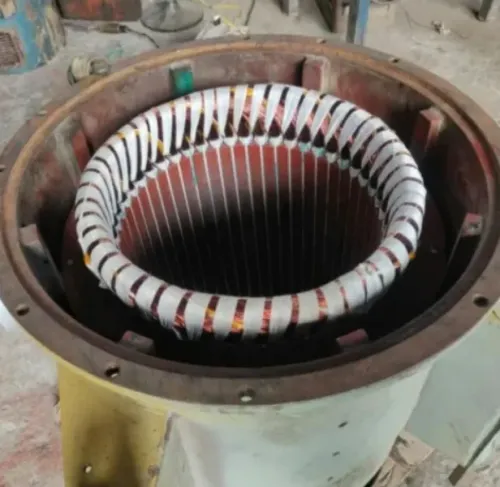
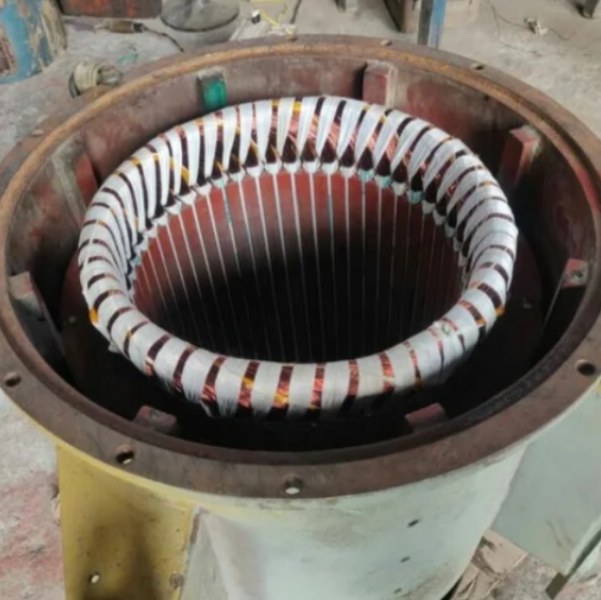
Before arranging Electric motor rewinding in Mumbai, a short preparation checklist can make the repair process more structured.
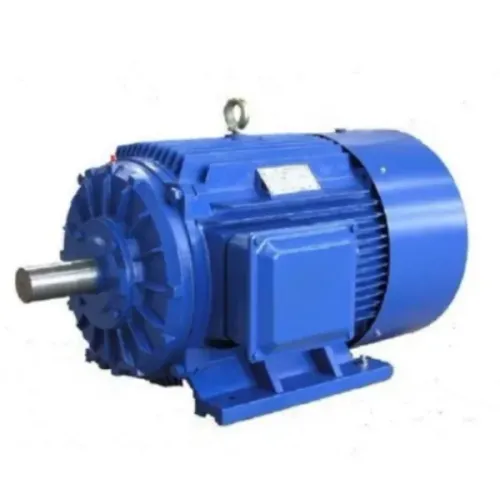
Record the Motor Identification Details
Start by documenting available nameplate information before the motor leaves the facility.
Depending on the motor, useful details can include power rating, voltage, current, speed, frequency, phase, frame information, and other manufacturer data.
Take a clear photograph of the nameplate if practical.
This helps prevent information loss and gives procurement or maintenance teams a permanent equipment reference.
Write Down What Happened
Describe the circumstances surrounding the failure.
Instead of simply writing motor not working, record observations such as:
- Motor tripped during operation
- Temperature increased before shutdown
- Burning smell was noticed
- Motor became unusually noisy
- Starting became difficult
- Current appeared abnormal
- Production load changed
- Motor stopped after a supply disturbance
These details can help technicians determine which areas deserve particular attention.
Review Previous Repair History
A motor with no previous major repair and a motor that has been rewound repeatedly should not necessarily be evaluated in the same way.
Provide available records showing previous rewinding, bearing replacement, shaft work, recurring trips, or other maintenance.
Repeated failures may indicate an unresolved installation or operating problem.
Do Not Assume Rewinding Is Required
Even when a motor has stopped, ask the workshop to diagnose the fault before automatically proceeding with Electric motor rewinding.
The problem may be associated with bearings, connections, mechanical damage, terminals, rotor components, supply conditions, or the driven machine.
A clear inspection report or explanation of the failure helps maintenance teams approve the correct scope.
Clarify the Proposed Repair
Before work begins, understand what the quotation covers.
Important questions include:
- Is rewinding confirmed as necessary?
- Are bearings included?
- Is mechanical repair required?
- Are damaged terminals being replaced?
- Is cleaning included?
- What testing will follow repair?
- What is the expected turnaround period?
This makes quotation comparison easier.
Plan the Reinstallation Inspection
Motor reliability also depends on conditions at the plant.
While the motor is being repaired, inspect relevant installation factors such as foundation condition, alignment, coupling, driven equipment, ventilation, protection, cables, and operating load.
If the original failure was caused by the installation, repairing the motor alone may not prevent recurrence.
Keep the Repair Record
After the motor returns, retain the repair details with the equipment's maintenance history.
Record the date, identified fault, work completed, parts changed, relevant test information, and installation observations.
This information becomes increasingly valuable for plants managing many motors.
Gelstar Engineering Services provides industrial motor repair and rewinding support for facilities in Mumbai and surrounding Maharashtra industrial areas. Supplying accurate equipment history allows the repair assessment to begin with better context.
A well-managed Electric motor rewinding job starts before the motor reaches the workshop. Identification details, failure symptoms, historical records, clear scope approval, appropriate testing, and installation checks turn an emergency repair into a documented maintenance activity. For maintenance engineers and procurement managers, that discipline can make future troubleshooting, vendor evaluation, and repair-versus-replacement decisions considerably easier.