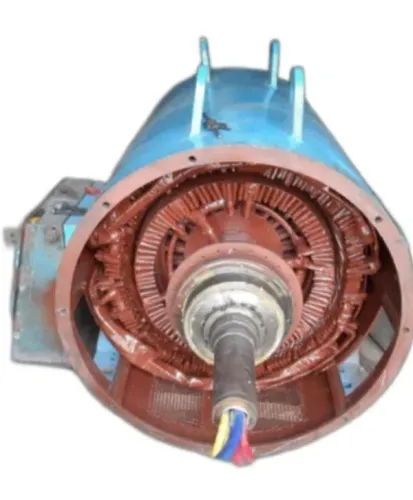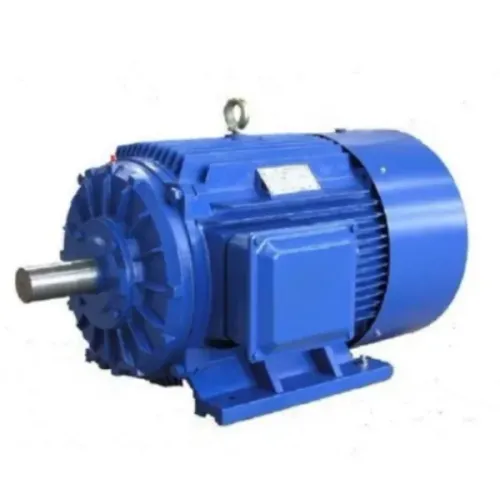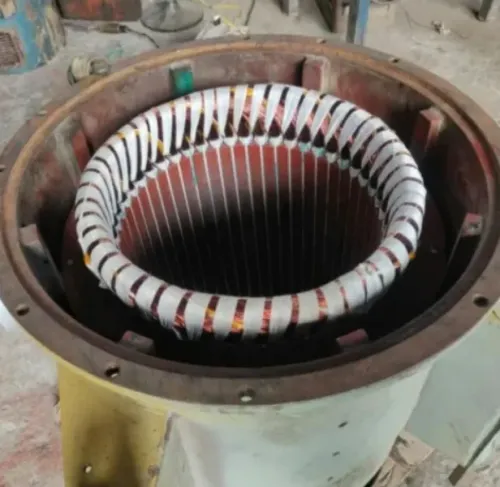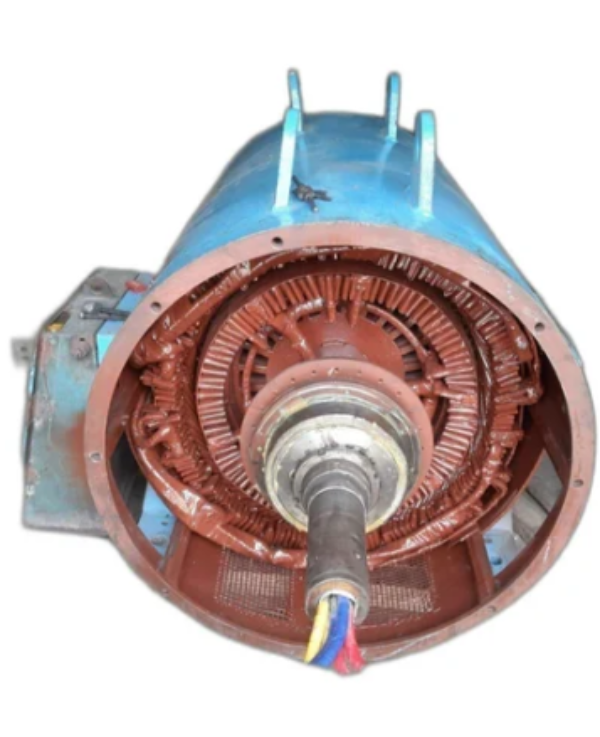
Motor rewinding can restore a suitable industrial motor after winding failure, but the quality of the process matters. Poor practices during ABB Motor Rewinding can affect insulation integrity, operating characteristics, temperature behaviour, and long-term equipment reliability.
Plant maintenance teams do not need to perform the rewinding themselves, but understanding common mistakes makes it easier to evaluate repair work.
Removing Windings Without Recording Data
Existing winding information should be documented before removal.
Important details can include coil configuration, connections, conductor information, and winding arrangement.
Removing damaged coils without properly recording these characteristics can make accurate reconstruction more difficult.
Using Unsuitable Insulation Practices
Insulation plays a central role in motor winding reliability.
Materials and processes should be appropriate for the motor's electrical and thermal requirements. Incorrect insulation selection, poor slot preparation, or inadequate application can increase the risk of future electrical problems.
Ignoring Core Condition
A rewinding job should not automatically proceed simply because winding damage is visible.
The stator core and other relevant components should be inspected for damage. Installing new windings without checking the underlying condition can overlook defects that affect the repair.
Focusing Only on Electrical Damage
Industrial motors also contain mechanical components that influence operation.
Common areas requiring attention include bearings, shafts, cooling systems, terminal arrangements, housings, and rotor-related conditions.
Returning a rewound motor with unresolved bearing or cooling problems can undermine otherwise careful electrical work.
Skipping Failure Analysis
This is one of the most important mistakes to avoid.
Suppose the original winding failed because the motor was continuously overloaded. Rewinding restores the damaged component, but it does not reduce the load.
The same principle applies to poor ventilation, voltage problems, contamination, excessive starting frequency, and mechanical stress.
Maintenance teams should ask what likely contributed to the original failure.
Inadequate Post-Repair Checks
The motor should undergo relevant checks before returning to service.
The exact test programme depends on the motor and repair scope, but electrical measurements and mechanical observations help verify the condition after repair.
Records of these results can also become part of the motor's maintenance history.
Choosing a Workshop Only by Price
Industrial rewinding quotations may differ because the proposed scope, materials, testing, mechanical work, and repair processes differ.
Comparing only the final price can hide these differences.
For industrial facilities in Mumbai and Maharashtra, local technical capability and repair communication should also form part of workshop evaluation.
Gelstar Engineering Services handles industrial motor repair and rewinding requirements, including support for facilities using ABB motors.
Installation After Rewinding Also Matters
A well-repaired motor can still experience problems after returning to the plant if alignment, mounting, coupling, ventilation, electrical supply, or load conditions are unsuitable.
Maintenance personnel should therefore monitor the motor after installation.
ABB motor rewinding is best treated as one stage in an overall reliability process. Accurate winding documentation, suitable insulation practices, core inspection, mechanical assessment, failure analysis, testing, and correct reinstallation collectively help protect the value of the repair.