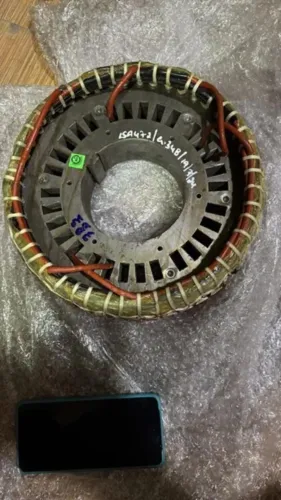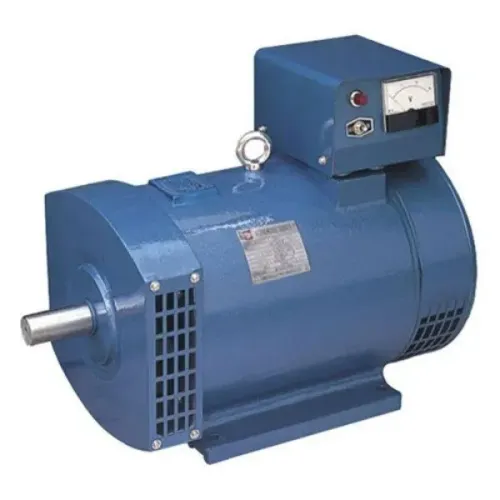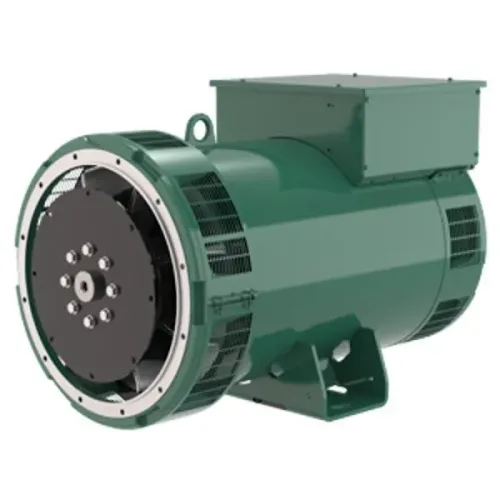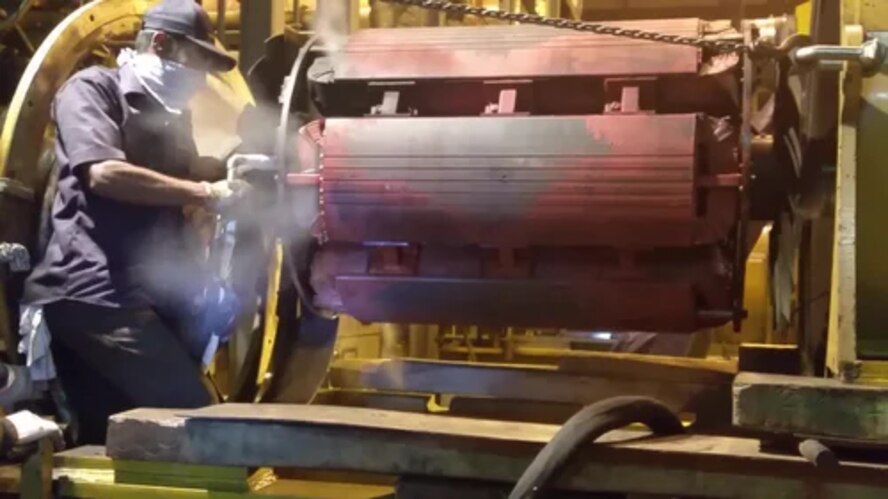
Oil film, carbon dust, salt deposits and compacted debris can hide defects and restrict cooling inside a large alternator. You will learn what dry-ice blasting removes, which parts require protection, how technicians make the work safe, and which electrical tests determine whether cleaning has improved the machine’s condition.
Key takeaways
- CO2 cleaning removes oil, grease and carbon dust without introducing water.
- Mask bearings, windings and openings before cleaning accessible alternator surfaces.
- Isolate power, discharge stored energy and control debris before starting work.
- Repeat insulation resistance, winding resistance and visual checks after cleaning.
What CO2 Cleaning Removes Without Adding Water
CO2 cleaning removes oil film, grease, carbon dust, loose paint flakes and some resinous films from accessible alternator surfaces without adding water.
During a large alternator overhaul, technicians use dry-ice blasting: solid carbon-dioxide pellets at approximately −78.5 °C strike the deposit, cool it rapidly and create differential thermal contraction between the deposit and the underlying metal or insulation surface.
Pellet size, pressure, nozzle distance, deposit hardness and adhesion determine the result. Soft adherent oil may lift cleanly; bonded scale, corrosion pitting and hard coatings may not.
| Method | What it leaves behind | Main limitation |
|---|---|---|
| CO2 cleaning | No spent blasting medium; pellets sublimate into gaseous CO2 | Removed dirt still needs extraction, containment and disposal |
| Liquid washing | Water or solvent residue requiring control and drying | Moisture can enter porous insulation |
| Compressed-air dusting | No blasting medium, but dust is redistributed | It may drive carbon and debris into narrow passages |
| Abrasive blasting | Grit and fractured coating particles | Abrasive media can damage insulation and remain trapped |
A clean-looking winding is not necessarily free of contamination. Oil, carbon dust, corrosion particles and insulation debris must be collected, while chlorides and sulfates require chemical testing or a controlled wash and drying cycle because CO2 does not dissolve ionic residues.
Use CO2 cleaning as one overhaul step, alongside vacuuming, filtered dry air, approved solvents, aqueous cleaning or abrasive preparation when the deposit demands them. It does not dry moisture already held in insulation.
Which Alternator Parts Need Cleaning, Masking or Removal
Apply dry ice to accessible stator windings, rotor surfaces, ventilation ducts, frames, end brackets and accessible exciter components when oil film, carbon dust, salt deposits or loose contamination blocks inspection or airflow. Pellets sublimate, so narrow passages do not receive abrasive grit, but removed debris still needs extraction and disposal.
| Part or area | Treatment | Reason |
|---|---|---|
| Stator windings and rotor surfaces | Controlled dry-ice cleaning | Removes adherent films without water |
| Ventilation ducts, frames and end brackets | Dry ice, followed by extraction | Opens cooling paths and exposes defects |
| Exciter components | Restricted, lower-energy application | Protects small parts and connections |
| Bearings, seals and shaft finishes | Mask, remove or use another method | Impact and cold can damage running surfaces and seals |
| Slip rings, brush holders, RTDs and space heaters | Mask or restrict access | Protects contact surfaces and instrumentation |
| AVR electronics and terminal-box components | Remove or fully shield | Prevents cold, debris and static-related damage |
| Insulation supports, labels and brittle varnish | Low-energy cleaning or no direct blast | Avoids cracking, lifting or loss of identification |
Do not use CO2 to solve firmly bonded rust, heavy scale or corrosion pitting; those conditions need an approved mechanical or chemical treatment and inspection for metal loss. Pellet impact and rapid cooling can also fracture aged insulation, surge rings and non-metallic supports.
Test a representative area before production cleaning. Set nozzle distance, pressure and pellet size from the alternator manufacturer’s limits, the approved repair procedure and the deposit type—not from a standard setting. Capture photographs and record protected areas before opening the next section.
How the Work Is Isolated and Made Safe
A dry process does not make a live alternator safe to clean. Dry ice and compressed-gas equipment do not justify live electrical work, and CO2 is not a substitute for isolation.
1. Shut down the alternator and identify every electrical and mechanical energy source, including auxiliary supplies, space heaters, excitation circuits, stored energy, connected transformers and automatic-start controls.
2. Apply lockout/tagout at each isolation point, verify the locks and tags, and prevent remote or automatic re-energisation.
3. Complete discharge and earthing: discharge capacitors and other stored electrical energy, then earth and short-circuit conductors where the approved procedure requires it.
4. Remove pneumatic and hydraulic pressure, drain accumulators where applicable, and secure shafts, couplings, fans and other rotating parts against movement.
5. Prove the alternator is de-energised with an approved test instrument using the site’s live-dead-live verification method. Record the result before opening the cleaning area.
6. Control CO2 accumulation with mechanical ventilation, calibrated oxygen and CO2 monitors, restricted access and a written emergency plan covering alarm response, evacuation and rescue. Pits, enclosures and poorly ventilated generator halls need particular attention; OSHA limits CO2 to 5,000 ppm over eight hours and 30,000 ppm for short-term exposure.
7. Control blast hazards with hearing protection, eye and face protection, gloves and protective clothing. Select respiratory controls from the risk assessment, manage cold-burn and static-discharge risks, and protect sensitive electronics.
Collect loosened dirt with extraction and sealed containers, then inspect and clean the area to prevent recontamination. Use a trial area and conservative nozzle settings; excessive pellet energy can damage aged insulation, labels and fragile components.
What Inspection and Electrical Testing Must Follow Cleaning
A clean-looking alternator is not automatically ready for service. Deposits can hide cracked insulation, tracking, erosion, loose wedges, displaced slot liners, corrosion and blocked cooling passages until cleaning exposes them.
1. Record a visual examination of the windings, end windings, slot areas, insulation supports, wedges, surge rings, rotor surfaces, exciter parts, terminal boxes and ventilation ducts. Photograph defects and compare them with pre-cleaning images.
2. Check for cracks, tracking, erosion, loose wedges, displaced slot liners, corrosion, blocked passages and damage to rotor or exciter components. Do not close the inspection because the surfaces appear dry and bright.
3. After the winding reaches a stable, recorded temperature, perform insulation-resistance testing with an insulation tester under the alternator manufacturer’s procedure. Add polarisation-index testing where that procedure and the winding design make it appropriate.
4. Complete winding-resistance checks using the specified connections, instrument and temperature correction. Take readings only after the machine configuration, test method and isolation controls have been verified.
Test voltages, measurement timing and acceptance limits must come from the manufacturer’s instructions and the applicable test standard, not universal figures. Surge testing is a justified diagnostic choice, not an automatic release test; its stress and access must suit the winding and overhaul objective.
CO2 removes blasting debris without drying moisture held inside porous insulation. A moisture-related result still requires controlled drying, followed by repeat measurements under the same recorded conditions. Document every observation, reading, deviation and release decision.
When CO2 Cleaning Is the Right Overhaul Decision
CO2 cleaning is the right condition-based overhaul choice when oil film, carbon dust or loose adherent contamination hides defects or restricts airflow, and wet cleaning would add drying time. It avoids water, abrasive grit and solvent film, but it still demands containment, ventilation, dry-ice supply, access, masking, debris collection and post-cleaning tests.
Gelstar Engineering Services is worth comparing when the industrial field service package includes cleaning, inspection, repair and field overhaul rather than a standalone blasting visit.
| Option | Main benefit | Main cost or limitation |
|---|---|---|
| CO2 cleaning | No spent water, grit or solvent film; effective on oil and carbon dust | Requires ventilation, containment, dry ice and debris extraction |
| Wet cleaning | Useful for soluble or ionic contamination | Requires controlled drying and repeat insulation tests |
| Abrasive preparation | Removes firmly bonded scale and corrosion products | Can damage insulation and leave abrasive in passages |
Do not select CO2 as the sole remedy for conductive salt residues, moisture in insulation, heavy corrosion scale, pitted metal or defects needing mechanical repair. Put these controls in the work package:
- Define the deposit and identify parts requiring removal, masking or restricted access.
- Record isolation, grounding, atmospheric monitoring and ventilation controls.
- Approve a representative trial area and document the nozzle and pressure settings.
- Set cleanliness acceptance criteria before work starts.
- Collect and dispose of oil, carbon, paint flakes and insulation debris.
- Photograph the alternator before and after cleaning.
- Specify visual inspection, insulation-resistance, polarisation-index and other electrical tests required for release.
- Require a signed method statement and acceptance record.
Related service
Large Alternators Site Overhauling Large Alternators Site Overhauling We offer a site overhauling of large alternators up to 10 mw undertaken. View service → |
Frequently asked questions
What does CO2 cleaning remove from a large alternator?
CO2 cleaning removes oil film, grease, carbon dust, loose paint flakes and some resinous films from accessible surfaces without adding water.
Which alternator parts need masking or removal before CO2 cleaning?
Mask or remove parts that could be damaged by the cleaning stream or contaminated debris, including bearings, exposed windings, seals, sensors and open electrical connections.
How is CO2 cleaning made safe during an alternator overhaul?
Isolate and lock out the alternator, verify zero electrical energy, discharge stored energy, ventilate the work area and contain displaced debris before cleaning.
What testing follows CO2 cleaning?
Inspect for remaining contamination and damage, then repeat appropriate checks such as insulation resistance, winding resistance, continuity and terminal-condition inspections.
When is CO2 cleaning the right overhaul decision?
Choose it when dry removal of accessible oil, grease or carbon contamination reduces cleaning risk and downtime without replacing disassembly or repairs that the alternator condition requires.